
Tepte.com


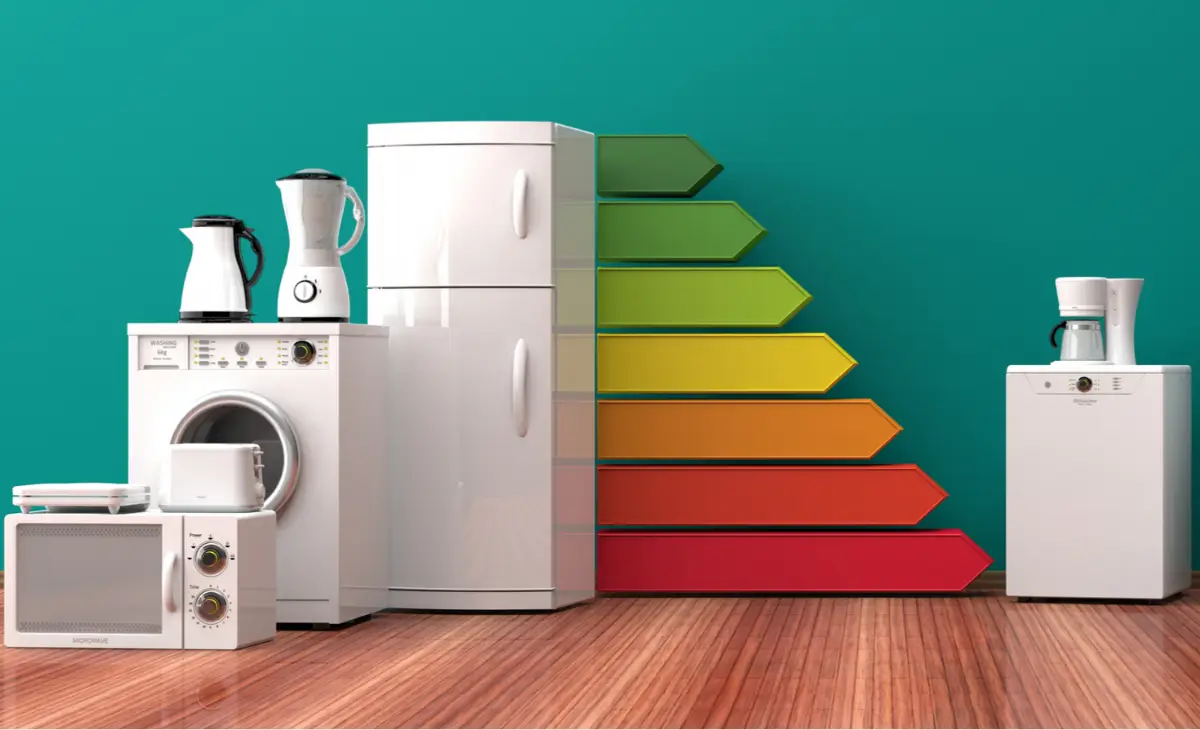
In today's world, where utility bills keep climbing, focusing on appliance energy efficiency can make a real difference. Smart refrigerators and efficient washers stand out as key players in cutting down electricity costs without sacrificing everyday convenience. By choosing the right models, tweaking settings, and building smart habits, you can slash your energy use while keeping your home running smoothly. This guide dives into practical steps for smart refrigerators and washers, covering ratings, features, and upgrades that promote sustainable living.
These two appliances are energy hogs in most households. A typical refrigerator runs 24/7, accounting for about 7% of your home's electricity, while washers cycle through water and power multiple times a week. Upgrading to energy-efficient versions or optimizing what you have can yield quick savings. For instance, a smart refrigerator with eco-modes might save you $50 to $100 annually, depending on your usage and local rates.
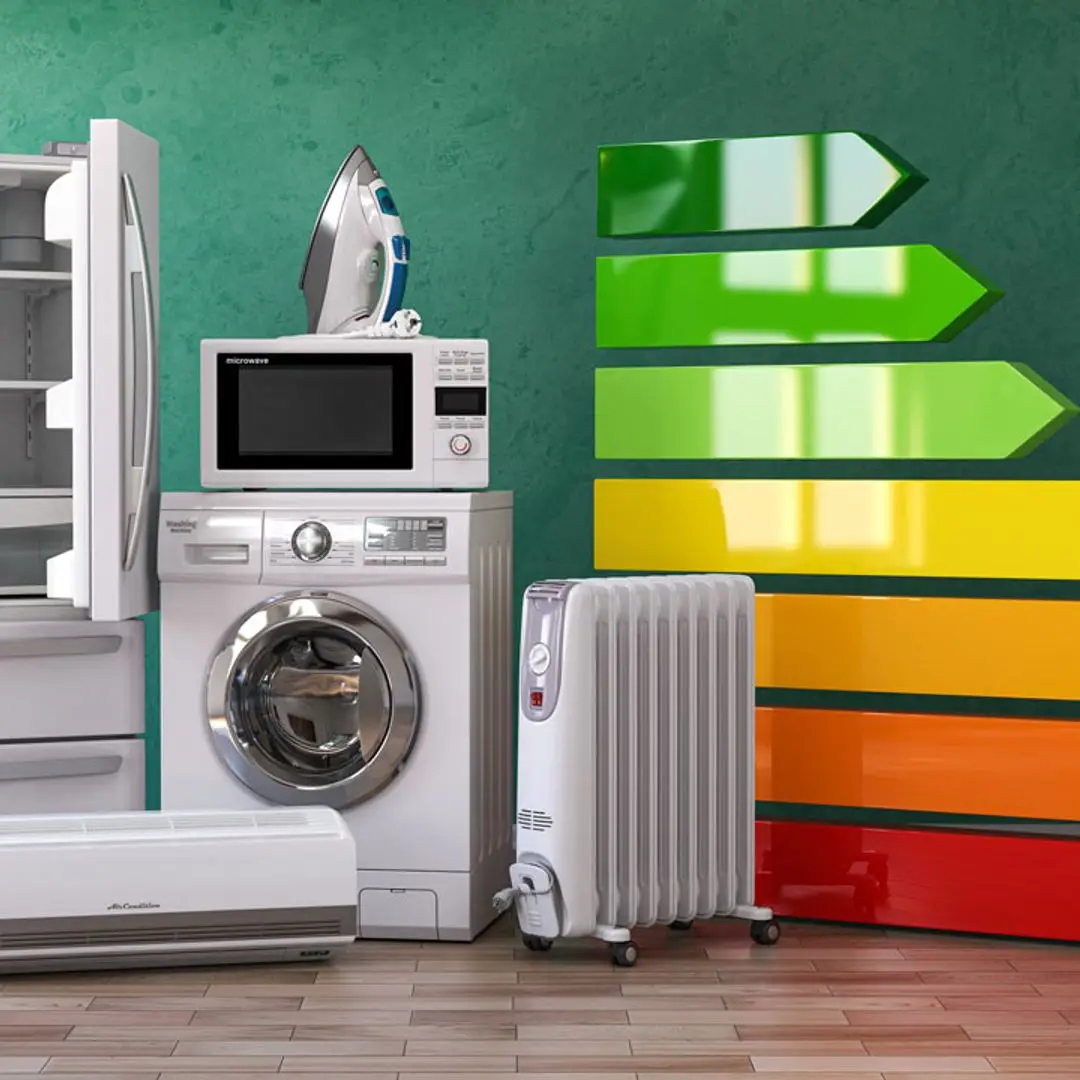
Before buying or adjusting, get familiar with labels like Energy Star and the yellow EnergyGuide tag. These provide annual energy consumption in kilowatt-hours (kWh) and estimated costs. Look for models certified by Energy Star, which means they've passed strict efficiency tests.
| Appliance Type | Standard Model (kWh/year) | Energy Star Model (kWh/year) | Potential Annual Savings ($ at $0.15/kWh) |
|---|---|---|---|
| Top-Freezer Refrigerator (18 cu ft) | 500 | 350 | $22.50 |
| French-Door Refrigerator (22 cu ft) | 750 | 550 | $30 |
| Top-Load Washer (4.5 cu ft) | 250 | 120 | $19.50 |
| Front-Load Washer (4.5 cu ft) | 200 | 85 | $17.25 |
This table shows realistic comparisons based on federal data. Savings add up over time, especially if you're replacing older units from the 1990s or earlier, which guzzle up to twice as much power.
Smart refrigerators go beyond basic cooling with app controls, sensors, and adaptive features. They monitor door openings, adjust temperatures automatically, and even suggest inventory management to reduce waste. Here's how to leverage them for lower bills.
Placement matters—keep your smart refrigerator away from heat sources like ovens or direct sunlight. Set the fridge to 37°F and freezer to 0°F; every degree colder adds 3-5% to energy use. Clean coils every six months to maintain peak performance. Avoid overloading; good airflow is crucial. Use apps to track and adjust remotely, ensuring it's not working harder than needed when you're away.
"I swapped my old fridge for a smart Energy Star model and activated eco-mode right away. My bill dropped $8 monthly, but the real shock came when I forgot to close a door overnight—the app alerted me, preventing a $20 spike. Habits matter as much as the tech." — Sarah M., homeowner from Texas.
Modern washers, especially front-load and high-efficiency top-load models, use less water and energy. Pair them with smart features like load-sensing tech that adjusts cycles automatically.
Switch to cold water washes— it accounts for 90% of a washer's energy in heating. Use the eco-mode or heavy-duty cycle only when necessary; quick wash handles most loads fine. Front-loaders spin faster, extracting more water so dryers work less. Always match water levels to load size to avoid waste.
If your appliances are over 10 years old, consider upgrades. Rebates from utilities or federal tax credits via the Inflation Reduction Act can offset costs—up to $840 for Energy Star models. Compare total ownership costs: efficient units pay for themselves in 3-5 years through savings.
Shop during sales or end-of-year clearances. Read user reviews on sites like Consumer Reports for real-world efficiency data.
Think holistically: Run your washer during off-peak hours if your utility offers time-of-use rates. For fridges, inventory apps reduce spoilage and unnecessary restocking trips. Track usage with smart plugs or built-in meters to spot patterns—like frequent small loads in the washer spiking costs.
Expect 20-40% reductions in appliance-related bills with these changes. A family of four might save $150-250 yearly on fridge and washer alone. Beyond dollars, you're cutting carbon emissions—Energy Star fridges prevent 680 pounds of CO2 annually per unit. Maintain performance by following manuals; skipping defrosts or ignoring error codes wastes energy.
Don't fall for gimmicks like "ultra-cold" modes unless needed. Overpacking shelves blocks vents in smart refrigerators, mimicking a full freezer's strain. For washers, hot water defaults on whites add unnecessary heat costs—stick to cold unless stains demand otherwise.
Integrate these tips gradually. Start with settings tweaks and habits, then eye upgrades. Your wallet and the planet will thank you. Small, consistent actions turn energy efficiency into effortless savings.
Published: Thursday, January 22, 2026 Viewed 1 times.
tepte.com: Your Questions and Answers Resource with a Wealth of General Knowledge
Are you seeking a one-stop destination for comprehensive knowledge and answers to your burning questions? Look no further than tepte.com! Our platform is your go-to source for a wide range of information, all conveniently presented in an easily accessible question and answer format.
At tepte.com, we pride ourselves on being your reliable knowledge hub. Whether you're curious about technology, science, history, or any other subject under the sun, our extensive General Knowledge (GK) knowledge base has you covered. We've made it our mission to provide you with in-depth insights and facts on an array of topics. Read more
