
Tepte.com


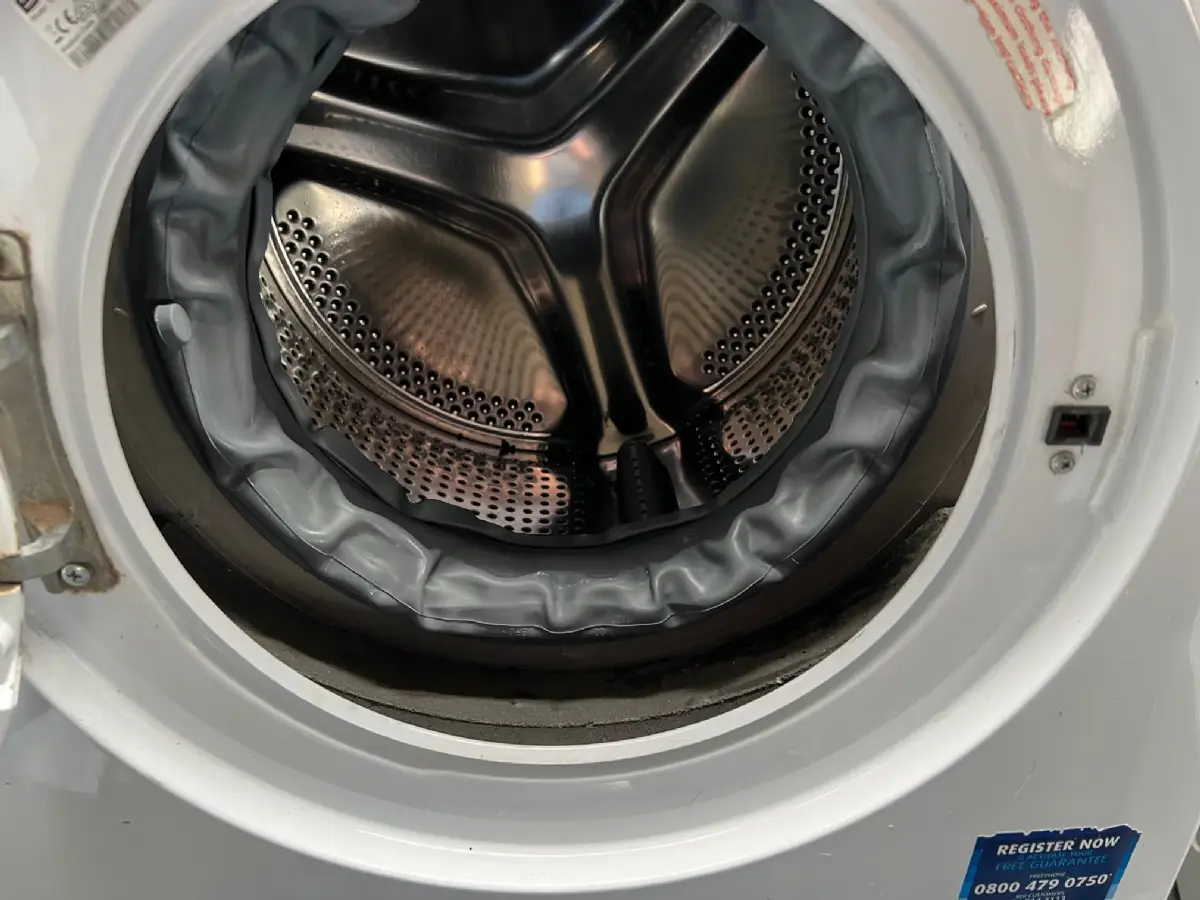
Your refrigerator and washing machine are workhorses in any household, quietly keeping food fresh and clothes clean day after day. But like any hardworking machine, they need a little TLC to stay efficient and avoid unexpected breakdowns. Simple appliance maintenance routines can add years to their lifespan, cut down on energy bills, and save you from pricey repair calls. In this guide, we'll walk through practical steps tailored for homeowners just like you, focusing on key areas like cleaning coils, inspecting seals, and performing routine checks.
Think about it: a well-maintained refrigerator runs cooler and uses less power, while a cared-for washing machine handles loads without straining its motor. Neglect these, and you're looking at higher utility costs or worse, a total replacement. Let's dive into why this matters and how to get started right in your own kitchen and laundry room.
Most folks wait until something goes wrong before thinking about upkeep, but proactive care pays off big time. Dusty coils on your fridge make the compressor work overtime, spiking energy use by up to 30%. Worn seals on your washer door let water leak, leading to mold and mechanical failure. By staying on top of these issues, you prevent small problems from snowballing.
Energy efficiency is another win. The U.S. Department of Energy notes that clean appliances operate more effectively, which means lower bills over time. Plus, extending the life of your refrigerator and washing machine delays the need for new purchases—saving hundreds or even thousands. It's not about perfection; it's about consistent, easy habits that fit into your weekly routine.

Your refrigerator is the heart of food preservation, but buildup of dust, frost, and grime shortens its life. Start with the basics and build from there. Aim to inspect it monthly, with deeper cleans every six months.
The condenser coils, usually at the back or bottom of your fridge, release heat to keep things cool inside. When they're clogged with pet hair, lint, or kitchen dust, your appliance struggles. Here's how to tackle it:
Do this twice a year, and you'll notice quieter running and better cooling. Skipping it? Expect higher electric bills and potential compressor burnout.
Door seals, or gaskets, keep cold air in and warm air out. Cracks or gaps waste energy and spoil food faster. Test yours by closing a dollar bill in the door—if it slides out easily, it's time for action.
Clean seals monthly with warm soapy water and a soft brush. Dry thoroughly. For deeper cleans, mix baking soda and water to remove mildew. If seals are torn, replace them—kits cost under $50 and install in minutes. Tight seals mean your fridge stays efficient, saving you 10-15% on energy.
Beyond coils and seals, keep an eye on the basics:
These quick tasks prevent 80% of common refrigerator issues.
Your washing machine, whether top-load or front-load, deals with detergent residue, hard water minerals, and fabric lint daily. Proper care keeps it balanced, leak-free, and drum-clean.
Front-loaders are prone to mold in rubber seals; top-loaders get gunk in agitators. Run a hot empty cycle monthly with white vinegar or a washer cleaner tablet. For seals, wipe with a vinegar-damp cloth and leave the door ajar to air dry.
In hard water areas, use affresh tablets quarterly to dissolve buildup. This routine cuts odors and extends drum life significantly.
Check inlet hoses yearly for bulges or cracks—replace if over five years old to avoid floods. Most washers have a front filter; clean it every three months by shutting off water, draining, and rinsing debris.
Balance your loads to prevent vibration damage, and avoid overloading to spare the motor.
| Task | Appliance | Frequency | Estimated Time |
|---|---|---|---|
| Clean condenser coils | Refrigerator | Every 6 months | 20-30 minutes |
| Check/test door seals | Refrigerator & Washer | Monthly | 10 minutes |
| Run cleaning cycle | Washing Machine | Monthly | 1-2 hours (hands-off) |
| Clean interior shelves/drum | Both | Quarterly | 30 minutes |
| Inspect hoses/filters | Washing Machine | Every 3-6 months | 15 minutes |
| Check temperature & level | Refrigerator | Monthly | 5 minutes |
This table gives you a clear roadmap. Print it out and stick it on your fridge door for easy reference.
"I put off cleaning my washer's filter for two years, thinking it was fine. One day, it clogged completely during a cycle, flooding my laundry room and requiring a $300 plumber visit plus a new filter. Lesson learned: those quick monthly checks are worth every second." – Sarah T., homeowner from Ohio
Spotting problems early is part of smart appliance maintenance. For your refrigerator, unusual noises often mean dirty coils or a failing fan—address with cleaning first. If the interior light flickers, check the bulb and wiring.
On the washing machine, excessive vibration points to uneven loads or unlevel feet. Adjust with a level tool. Leaks? Trace to hoses or seals. Always unplug before poking around, and if it's under warranty, note your maintenance efforts for claims.
Clean appliances sip power, not guzzle it. Position your fridge with six inches of airflow space around it. For washers, use high-efficiency detergent and cold water cycles when possible. These tweaks, combined with maintenance, can drop your annual energy use noticeably.
You don't need fancy gear. Stock up on:
Total investment: under $50. Reuse what you have around the house to keep costs low.
Spring and fall are ideal for thorough checks. In warmer months, focus on coil cleaning to combat dust from open windows. Winter prep means ensuring seals are tight against dry air. Tie maintenance to holidays—like a pre-Thanksgiving fridge scrub—to make it habitual.
For families, involve kids in wiping shelves; it teaches responsibility while lightening your load.
DIY covers most tasks, but if your refrigerator isn't cooling despite clean coils or your washer won't spin, pros have diagnostic tools. Look for certified techs via manufacturer sites. Regular maintenance often spots issues early, reducing service needs.
Investing time in appliance maintenance tips for your refrigerator and washing machine yields real rewards: fewer headaches, lower costs, and reliable performance. Start small—pick one task this weekend—and build momentum. Your home and wallet will thank you. With these routines, you're not just maintaining appliances; you're safeguarding your daily comfort.
Published: Thursday, January 22, 2026 Viewed 1 times.
tepte.com: Your Questions and Answers Resource with a Wealth of General Knowledge
Are you seeking a one-stop destination for comprehensive knowledge and answers to your burning questions? Look no further than tepte.com! Our platform is your go-to source for a wide range of information, all conveniently presented in an easily accessible question and answer format.
At tepte.com, we pride ourselves on being your reliable knowledge hub. Whether you're curious about technology, science, history, or any other subject under the sun, our extensive General Knowledge (GK) knowledge base has you covered. We've made it our mission to provide you with in-depth insights and facts on an array of topics. Read more
