
Tepte.com


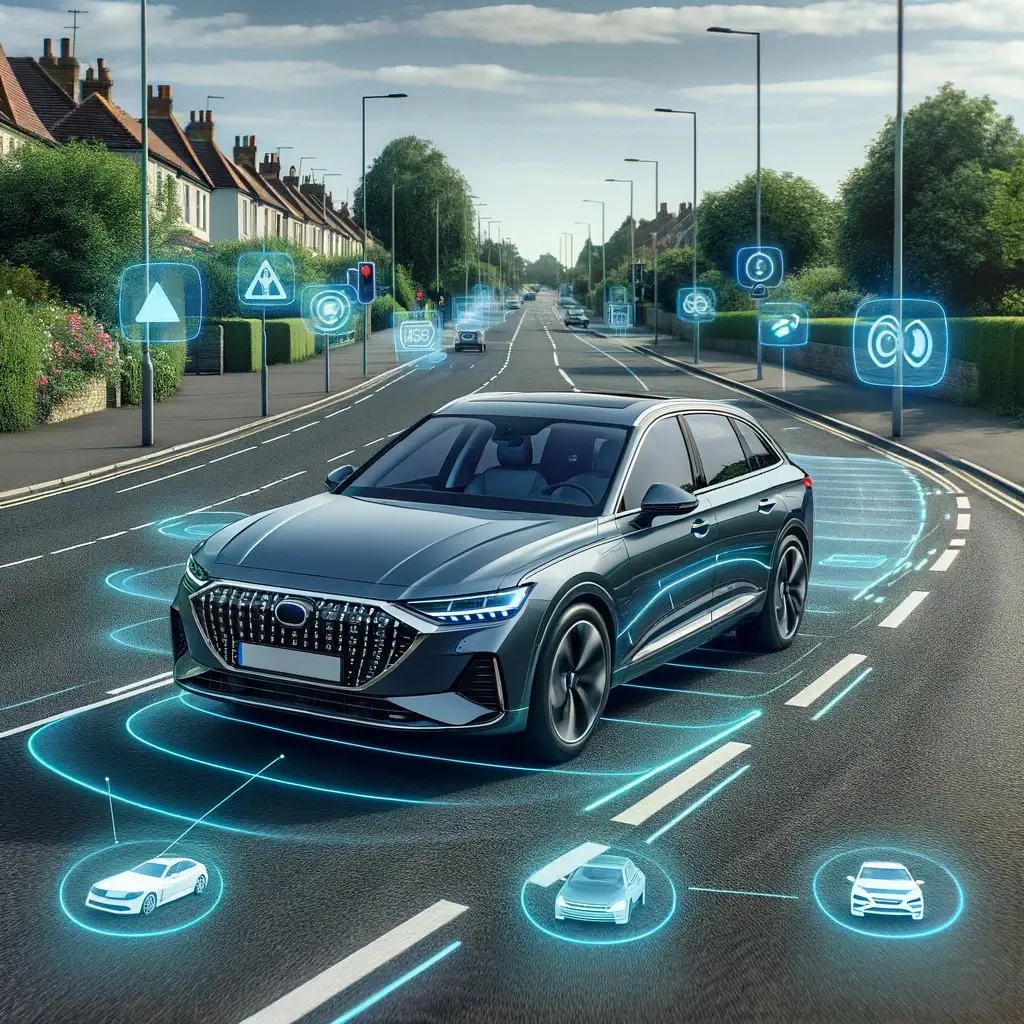
Today's cars come packed with technology designed to keep you safer on the road. If you're shopping for a new vehicle or just curious about the gadgets in your current ride, Advanced Driver Assistance Systems, or ADAS, are game-changers. These features use cameras, radar, lidar, and sensors to help prevent crashes, watch your blind spots, and even take over some steering tasks. In this guide, we'll break down how they work, from lane assist to auto braking, so you can drive with more confidence, especially on family road trips.
Imagine merging onto a highway without constantly checking mirrors, or stopping just in time before a pedestrian darts out. That's the promise of ADAS. These systems don't replace good driving habits—they enhance them. Most modern cars from brands like Toyota, Ford, and Tesla include some level of ADAS, and they're becoming standard as safety regulations tighten.
Advanced Driver Assistance Systems refer to a suite of technologies that assist the driver in avoiding collisions and navigating roads more safely. They range from basic alerts to semi-autonomous driving. Sensors around the vehicle constantly scan the environment, feeding data to onboard computers that make split-second decisions. For instance, forward-facing cameras track lane markings, while ultrasonic sensors measure distances to nearby objects.
You'll find ADAS in everything from sedans to SUVs, often bundled in packages like "Safety Shield" or "Co-Pilot." They improve road awareness by alerting you to hazards you might miss, reducing accident risks by up to 40% according to studies from the Insurance Institute for Highway Safety (IIHS).
Automatic emergency braking is one of the most critical ADAS tools. It uses radar and cameras to detect vehicles, pedestrians, or cyclists ahead. If it senses an imminent collision and you don't brake in time, the system slams on the brakes automatically. In city driving, this can prevent rear-end crashes, which account for about 30% of all accidents.
Here's how it operates: The system calculates closing speeds and your reaction time. Forward collision warnings beep first, then it pre-charges brakes before full application. Tests show AEB reduces crashes by 50% at intersections. Just remember, it's not foolproof in bad weather or with fast-moving obstacles.
Lane assist keeps your car centered in its lane without you touching the wheel. Cameras read lane lines or road edges, and if you drift, gentle steering inputs nudge you back. It's perfect for long highway drives when fatigue sets in.
Paired with lane departure warning, which vibrates the wheel or flashes lights if you veer without signaling, these features cut unintentional lane drifts by over 80%. They shine on curves but need clear markings to function best.
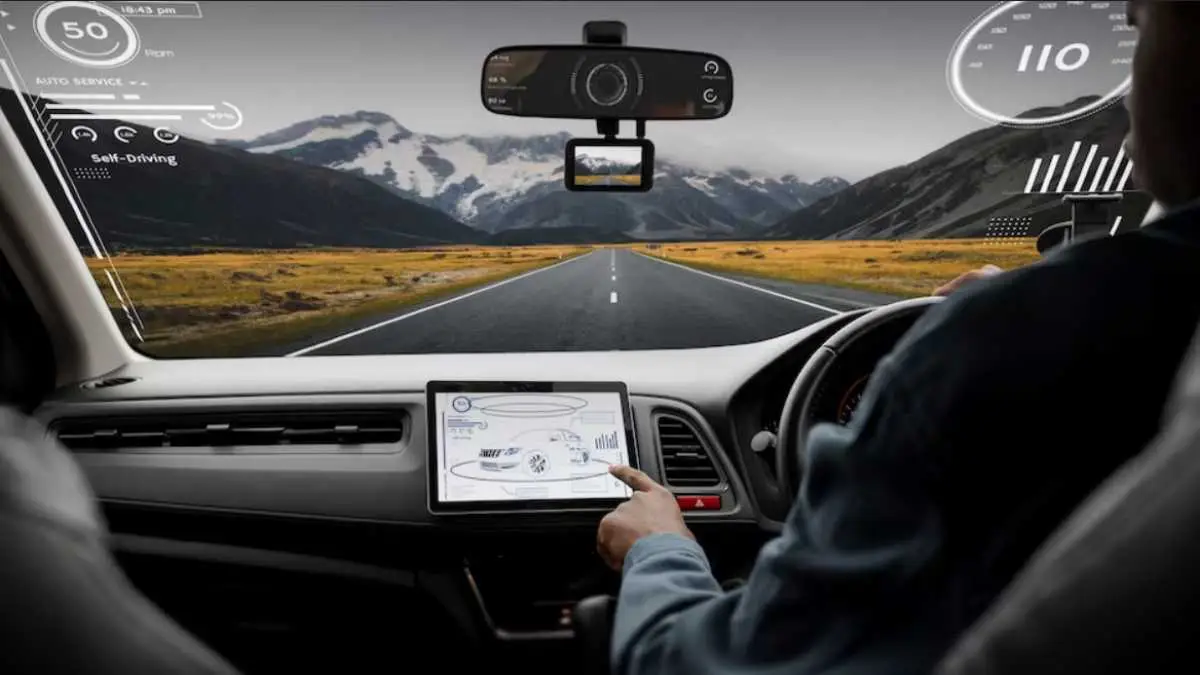
Traditional cruise control holds a set speed, but adaptive cruise control adjusts it based on traffic. Radar tracks the car ahead, slowing you down to maintain a safe gap, then speeding up when the road clears. Some versions even stop and go in traffic.
This reduces driver stress on commutes and helps with road awareness. IIHS data indicates ACC lowers crash rates in heavy traffic by maintaining consistent distances.
Blind spots cause many lane-change wrecks. Blind-spot monitoring uses side sensors to detect vehicles in those hidden areas. A light on your mirror glows, and if you signal to change lanes, it may chime or tighten steering.
Cross-traffic alert adds rear coverage for backing out of spots. These systems prevent about 20% of side-impact crashes, making parking lots safer for families with kids.
| Feature | How It Works | Best For | Effectiveness (IIHS Rating) |
|---|---|---|---|
| Automatic Emergency Braking | Radar/cameras detect obstacles, auto-brakes | City stops, highways | Superior (50% crash reduction) |
| Lane Keep Assist | Cameras track lanes, applies steering torque | Highways, fatigue prevention | Advanced (80% drift reduction) |
| Adaptive Cruise Control | Radar maintains following distance | Traffic jams, long trips | Superior (consistent spacing) |
| Blind-Spot Monitoring | Side sensors alert on lane changes | Merging, parking | Advanced (20% side-crash prevention) |
This table highlights why combining features gives the best protection. Check your car's manual for specifics, as performance varies by model.
"I was towing my trailer on a rainy night when blind-spot monitoring lit up my mirror just as a truck approached. Without it, we'd have collided. It saved our family vacation—and maybe our lives." – Sarah M., verified owner of a 2023 Honda Pilot.
By constantly monitoring 360 degrees, ADAS spots dangers faster than human eyes. Emergency braking reacts in milliseconds, while lane assist counters drowsiness. Together, they create layers of defense: warnings first, then interventions.
For family driving, this means peace of mind. Parents can focus on kids in the back instead of every mirror check. Real-world data from Euro NCAP shows cars with full ADAS suites earn top safety scores, preventing fender-benders and serious wrecks alike.
Governments are mandating ADAS to save lives. The U.S. National Highway Traffic Safety Administration (NHTSA) requires automatic emergency braking on all new passenger cars and trucks by 2029. Europe already enforces lane assist and blind-spot monitoring on many models.
These rules ensure even budget cars get advanced safety features. Insurers offer discounts—up to 20%—for vehicles with verified ADAS, incentivizing upgrades.
This list helps you activate and maintain ADAS properly, maximizing safety without over-reliance.
No system is perfect. ADAS struggles in heavy rain, snow, or faded lanes. Construction zones confuse sensors, and it can't predict erratic drivers. Always drive defensively—ADAS is a helper, not a chauffeur.
For safer family driving, pair tech with habits like seatbelt checks and no distractions. When buying, prioritize cars with IIHS Top Safety Pick ratings, which test ADAS rigorously.
We're heading toward Level 3 autonomy, where cars handle most driving in certain conditions. Features like pedestrian detection and night vision are expanding. As batteries improve, electric vehicles lead with integrated ADAS.
Investing in a car with robust advanced driver assistance systems today protects your loved ones tomorrow. Test drive models, compare features, and drive safer.
In summary, ADAS like lane assist, auto braking, and more transform vehicles into vigilant partners. They comply with evolving regulations, sharpen road awareness, and slash accident risks—ideal for everyday and family drives. Ready to upgrade? Your next car could be your best safety decision.
Published: Thursday, January 22, 2026 Viewed 5 times.
tepte.com: Your Questions and Answers Resource with a Wealth of General Knowledge
Are you seeking a one-stop destination for comprehensive knowledge and answers to your burning questions? Look no further than tepte.com! Our platform is your go-to source for a wide range of information, all conveniently presented in an easily accessible question and answer format.
At tepte.com, we pride ourselves on being your reliable knowledge hub. Whether you're curious about technology, science, history, or any other subject under the sun, our extensive General Knowledge (GK) knowledge base has you covered. We've made it our mission to provide you with in-depth insights and facts on an array of topics. Read more
