
Tepte.com


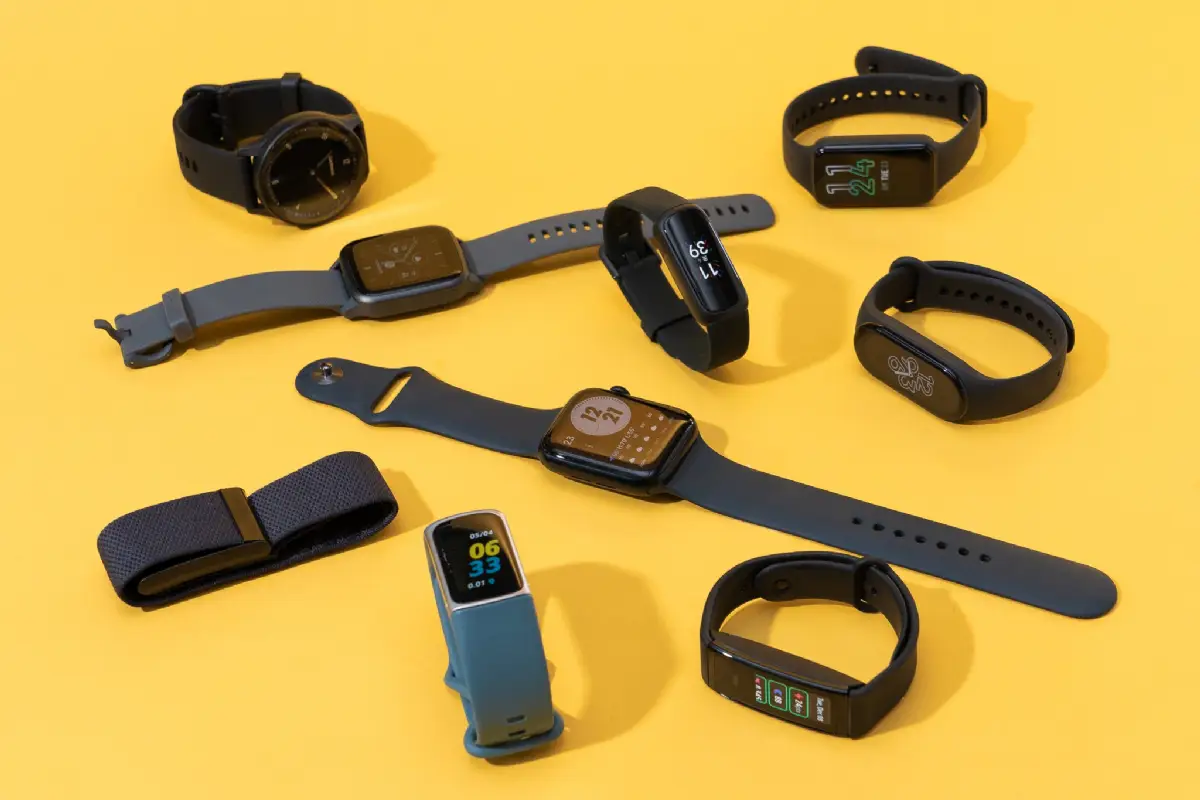
If you're just dipping your toes into fitness tracking, you don't need to splurge on something as feature-packed—and pricey—as the Apple Watch. Plenty of Apple Watch alternatives deliver the essentials like heart rate monitoring, step counting, and sleep analysis without breaking the bank. These fitness trackers for beginners focus on simplicity, motivation, and seamless app integration to help you build healthy habits from day one.
Whether you're walking more, trying to hit 10,000 steps, or curious about your nighttime rest, the right wearable can make tracking feel effortless. In this guide, we'll break down budget-friendly options under $100 that prioritize usability for newbies. You'll get real comparisons on battery life, comfort, and those motivational nudges that keep you going.
Starting a fitness journey often feels overwhelming, but a good tracker turns vague goals into concrete data. Imagine seeing your daily steps climb or your heart rate steady during a brisk walk—it builds momentum. Unlike smartphones alone, these wearables provide all-day monitoring without constant phone checks.
For beginners, the sweet spot is devices that track core metrics without overwhelming you with advanced stats like VO2 max or GPS mapping. Focus on activity monitoring features such as:
These keep things simple while delivering value that rivals pricier smartwatches.
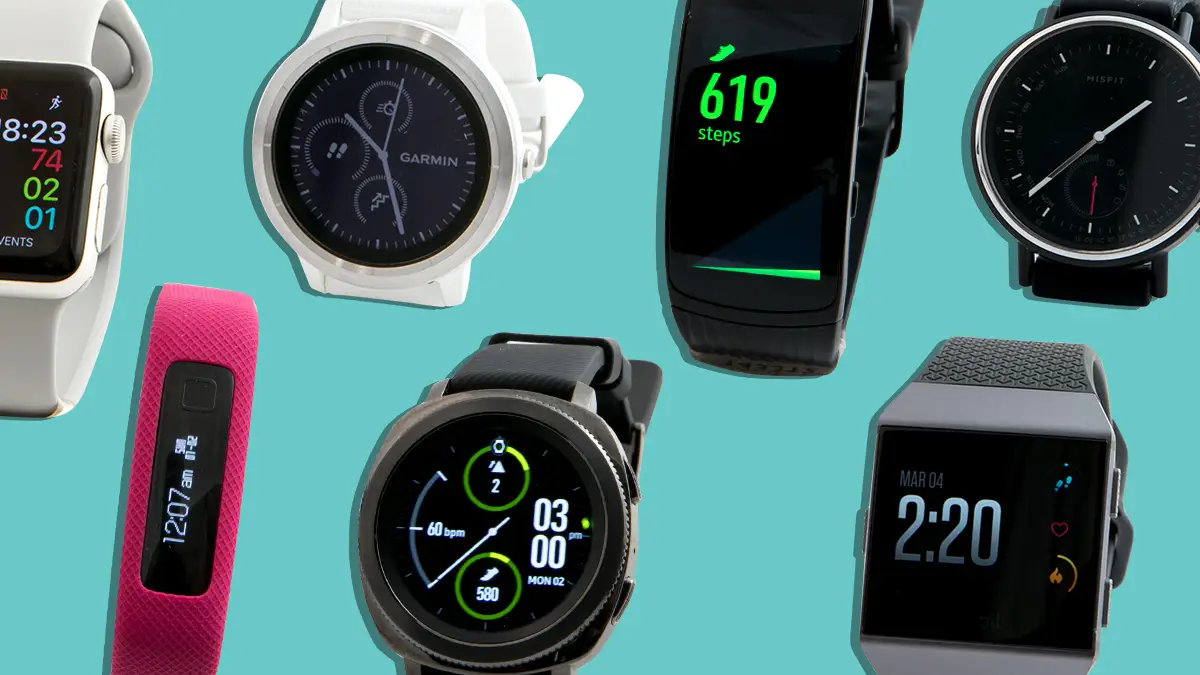
We've tested and researched dozens of options, narrowing it down to wearables that shine for first-timers. Prices fluctuate, but all hover around $50–$100, making them true budget heroes. Let's dive into the standouts.
The Fitbit Inspire 3 nails beginner-friendly design with its slim band and vibrant color screen. At about $100, it excels in step counting (accurate to within 5% of premium models) and 24/7 heart rate monitoring. What sets it apart? Daily readiness scores and celebratory animations for hitting goals—these little wins keep you hooked.
Sleep tracking breaks down light, deep, and REM stages, plus breathing rate for stress insights. Battery lasts 10 days, and the Fitbit app syncs effortlessly with iOS or Android, offering guided breathing and habit-building challenges. Comfortable for all-day wear, even sleeping, it's a top fitness tracker for beginners if you want community vibes through Fitbit Premium (free trial included).
For under $150 (often on sale for $100), the Garmin Vivosmart 5 is a no-fuss Apple Watch alternative. Its OLED display shows heart rate, steps, and calories burned clearly. Body Battery tracks energy levels, helping you decide when to push or rest—perfect for newbies learning their limits.
Sleep analysis includes respiration and movement data, with the Garmin Connect app providing trends over time. It vibrates for move reminders during sedentary stretches, nudging you without nagging. Week-long battery and swim-proof build make it versatile. If you prefer data-driven insights without flashy notifications, this one's your pick.
At around $40–$50, the Xiaomi Smart Band 8 punches way above its weight. Superb step counting via advanced sensors, plus optical heart rate monitoring that's surprisingly precise for the price. It tracks over 150 activities, but beginners will love the Alexa integration for voice commands and 16-day battery life.
Sleep monitoring covers stages and naps, with the Mi Fitness app delivering clean graphs and goal setting. Motivational features include progress circles and achievement unlocks. Lightweight at 13g, it's barely noticeable—ideal if you're easing into wearables. App works great cross-platform, though some advanced features need the Pro version.
Right around the halfway mark in exploring these options, consider this real-user insight:
"I bought my first tracker thinking it'd magically fix my habits. It showed my steps were half what I guessed, and sleep data revealed why I felt drained. But the real game-changer? Consistency reminders. Without them, data sits ignored—pair tracking with small daily goals or it becomes shelfware."
That anecdote from a year-long tester underscores a key point: trackers amplify effort, not replace it.
Priced at $50, the Amazfit Band 7 offers Alexa, SpO2 monitoring, and PAI scores (a simple health metric). Heart rate and step counting are spot-on, with sleep analysis including quality ratings. The Zepp app integrates strength training templates and breathing exercises.
18-day battery crushes competitors, and it's water-resistant for showers or swims. Vibrant AMOLED screen displays notifications subtly. For beginners wanting extras like weather or music control without bulk, this delivers motivation through virtual trophies and streaks.
Around $60, the Galaxy Fit3 shines for Samsung users with deep Galaxy Wearable app ties. Excellent activity monitoring covers auto-detection for walks and runs, precise heart rate, and detailed sleep stages. Fall detection adds safety for active newbies.
13-day battery, customizable faces, and over 100 workout modes keep it engaging. Motivational race-yourself features pit your pace against past efforts. Slim design ensures comfort, making it a solid fitness tracker for beginners avoiding Apple ecosystem lock-in.
| Tracker | Price (Approx.) | Battery Life | Key Strengths | App Rating |
|---|---|---|---|---|
| Fitbit Inspire 3 | $100 | 10 days | Readiness scores, community challenges | 4.7/5 |
| Garmin Vivosmart 5 | $100–$150 | 7 days | Body Battery, respiration tracking | 4.6/5 |
| Xiaomi Smart Band 8 | $40–$50 | 16 days | Alexa, 150+ modes | 4.5/5 |
| Amazfit Band 7 | $50 | 18 days | SpO2, PAI scores | 4.6/5 |
| Samsung Galaxy Fit3 | $60 | 13 days | Auto-detection, fall alerts | 4.7/5 |
This table highlights why these beat pricier options for starters—long batteries and core activity monitoring features without complexity.
No tracker is complete without a solid app. Fitbit and Garmin apps offer beginner dashboards with progress visuals and tips. Xiaomi and Amazfit provide multilingual support and easy syncing. Samsung's app excels in customization.
All integrate with Google Fit or Apple Health, so your data flows wherever. Usability shines in quick setup (under 5 minutes) and intuitive swipes. Look for apps with goal templates—like "couch to 5K"—to guide your journey.
Choosing boils down to your needs. Here's a practical checklist:
Match these to your routine—commuters might want notifications, while bedtime trackers prioritize sleep depth.
Once strapped on, start small: Set a 7,000-step goal and bedtime reminder. Use heart rate monitoring during walks to find your easy pace. Review weekly sleep trends and adjust caffeine accordingly. These devices motivate through streaks and insights, but remember: they're tools, not trainers.
Pair with free apps for recipes or yoga, and soon tracking becomes second nature. Users report 20–30% more activity in the first month. For fitness newbies, these affordable wearables make the difference between starting strong and sticking with it.
Ready to track? Grab one of these Apple Watch alternatives, lace up, and watch your habits transform. Your healthier self is just steps away.
Published: Monday, January 19, 2026 Viewed 4 times.
tepte.com: Your Questions and Answers Resource with a Wealth of General Knowledge
Are you seeking a one-stop destination for comprehensive knowledge and answers to your burning questions? Look no further than tepte.com! Our platform is your go-to source for a wide range of information, all conveniently presented in an easily accessible question and answer format.
At tepte.com, we pride ourselves on being your reliable knowledge hub. Whether you're curious about technology, science, history, or any other subject under the sun, our extensive General Knowledge (GK) knowledge base has you covered. We've made it our mission to provide you with in-depth insights and facts on an array of topics. Read more
