
Tepte.com


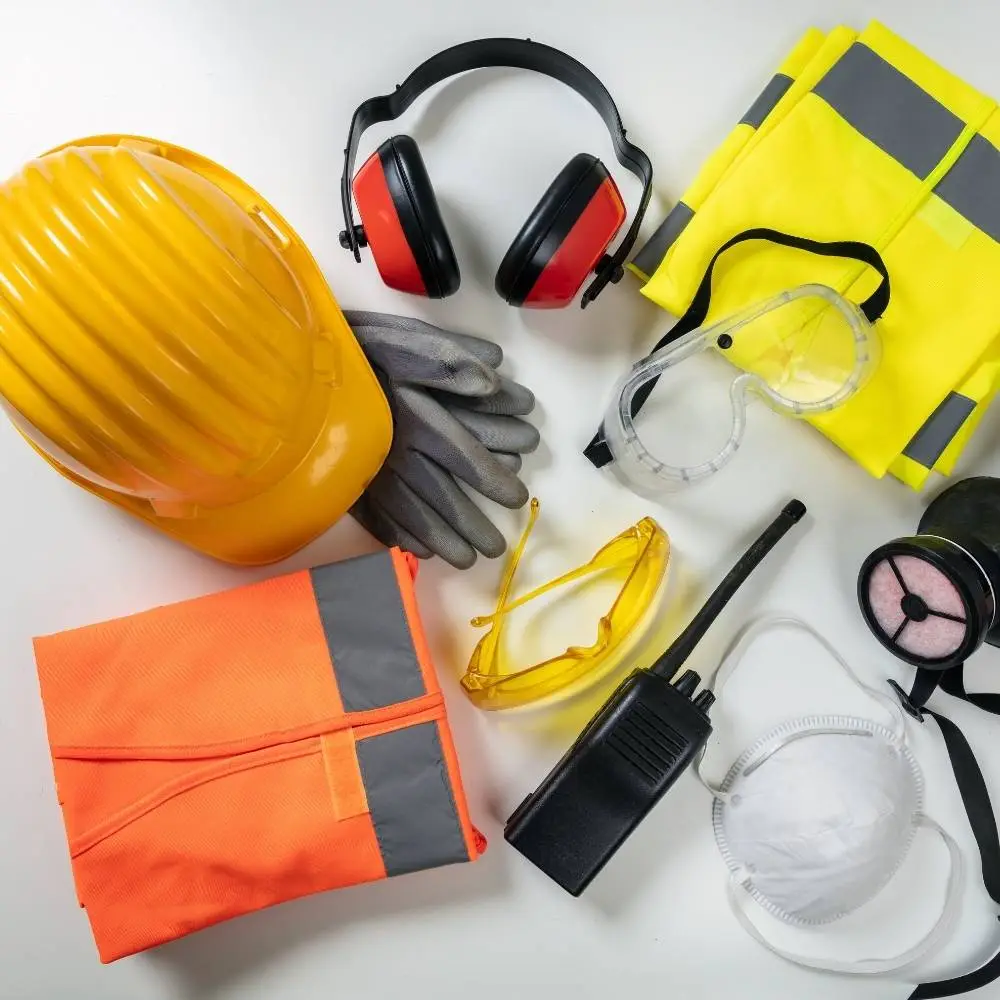
Whether you're framing a new deck in your backyard or managing a crew on a high-rise build, construction safety protocols keep everyone coming home in one piece. Accidents happen fast on job sites or home projects—falls, struck-by incidents, or tool mishaps can turn a productive day upside down. This guide breaks down the essential gear like helmets and harnesses, key practices for spotting hazards, and how to follow OSHA standards to cut risks. For pros and DIYers alike, sticking to these steps means fewer injuries and smoother workflows.
Start with the basics: every site, big or small, needs a safety mindset. Pros have regulations pushing them, but DIYers often skip gear thinking "it's just a quick fix." That attitude leads to ER visits. By gearing up right and running through daily checks, you build securely from the ground up.
Your first line of defense is the right equipment. Protective equipment isn't optional—it's what stands between you and serious harm. Here's what you need to stock for any project.
A sturdy hard hat shields your head from falling objects, debris, or overhead bumps. Look for ones rated ANSI Z89.1, which OSHA standards require on most sites. Replace them every two years or after a major hit. DIYers, don't grab the cheap plastic version from a discount bin; invest in adjustable models with chin straps for better fit during ladder work.
Falls cause one-third of construction fatalities. A full-body harness distributes impact if you slip from heights over six feet. Pair it with a shock-absorbing lanyard anchored to a solid point. OSHA mandates this for unprotected edges. Test your setup before use—clip in, tug hard, and inspect for frays monthly.
Safety glasses block flying particles from saws or grinders, while earmuffs or plugs guard against noise over 85 decibels. Gloves vary: cut-resistant for rebar handling, insulated for electrical tasks. Footwear? Steel-toe boots with slip-resistant soles prevent crushed toes and trips on uneven ground.
To make gear selection easier, check this table of must-haves:
| Gear Item | Primary Protection | OSHA Reference | DIY Tip |
|---|---|---|---|
| Hard Hat | Falling objects, impacts | 1926.100 | Choose vented for hot days |
| Full-Body Harness | Falls from height | 1926.502 | Practice donning at home |
| Safety Glasses | Debris, chemicals | 1926.102 | Anti-fog coating essential |
| Steel-Toe Boots | Heavy impacts, punctures | 1910.136 | Check for electrical hazard rating |
| High-Visibility Vest | Visibility in traffic zones | 1926.651 | Reflective strips for dawn/dusk |
Knowing what's dangerous comes down to daily walkthroughs. Walk your site—professional or garage—and flag issues like unstable scaffolding, exposed wires, or cluttered walkways. Use the "LOOTO" method: Look, Observe, Orient, Take action, Observe again.

For hazard identification, train your eye on common threats: trenches deeper than five feet need shoring; overhead power lines demand 10-foot clearance. DIYers, map your workspace on paper first. Mark no-go zones and update as you go.
OSHA standards aren't suggestions—they're law for U.S. worksites, and smart guidelines for home projects. 29 CFR 1926 covers construction specifics, from scaffolding (must support four times the load) to excavations (daily inspections required).
Key rules include training: every worker needs competent person oversight for cranes or rigging. Fines hit $15,000 per violation, but more importantly, compliance saves lives. DIYers, download free OSHA fact sheets for your tasks—ladders, silica dust, you name it.
"I watched a coworker fall 20 feet from unfinished scaffolding because we skipped the mid-morning inspection. He survived, but spent months in rehab. Now, our crew does hazard hunts twice daily—no shortcuts."
— Experienced foreman, Midwest construction site
Tools cause thousands of injuries yearly from misuse. Power saws kick back without guards; extension cords fray and spark. Follow these steps for safe handling:
For ladders, angle them four-to-one (four feet up, one out from base). Tie off tops and bottoms. Pros, log inspections; DIYers, same rule—test stability before climbing.
Heavy equipment like forklifts? Only certified operators. Ground guides signal clearly, and loads stay low.
No plan survives contact unchanged, so prep for the worst. Every site needs a first-aid kit stocked per ANSI Z308.1: bandages, AED if over 10 workers, eye wash stations.
Post emergency numbers visibly: 911, site supervisor, nearest hospital. Run drills—evacuate for fires, stabilize falls without moving the injured. For chemical spills, have SDS sheets handy and neutralizers ready.
DIYers, tell a neighbor your plans and share your phone location. Heat exhaustion hits fast in summer; recognize dizziness, hydrate proactively.
Professionals face scale—multiple crews, heavy machinery—but follow site-specific safety plans (SSPs). Weekly toolbox talks cover that day's risks.
DIYers, scale down but don't skimp. Rent pro-grade gear for big jobs like roofing. Take breaks, work sober, and quit if unsure—better to call a pro than risk it.
Both groups benefit from apps like OSHA's On-Site tool for quick hazard logging or checklists.
Construction safety protocols thrive on habits. Start meetings with safety shares, reward spot-on gear use, and review near-misses openly. For DIY projects, involve family in safety rules—kids stay back, spouses double-check anchors.
Track progress: fewer incidents mean you're doing it right. Update gear yearly, retrain often. Resources like OSHA's free outreach training build skills without cost.
Bottom line: gear and practices minimize accidents on professional sites or home builds. Gear up, scan ahead, respond smart—your next project stays on track and injury-free.
Published: Thursday, January 22, 2026 Viewed 2 times.
tepte.com: Your Questions and Answers Resource with a Wealth of General Knowledge
Are you seeking a one-stop destination for comprehensive knowledge and answers to your burning questions? Look no further than tepte.com! Our platform is your go-to source for a wide range of information, all conveniently presented in an easily accessible question and answer format.
At tepte.com, we pride ourselves on being your reliable knowledge hub. Whether you're curious about technology, science, history, or any other subject under the sun, our extensive General Knowledge (GK) knowledge base has you covered. We've made it our mission to provide you with in-depth insights and facts on an array of topics. Read more
