
Tepte.com



Your home's furniture gets a lot of use, from family gatherings around the dining table to lounging on the sofa after a long day. Over time, wood, leather, and fabric pieces can show signs of wear like scratches, stains, or fading. The good news is that with regular care, you can keep them looking great and extend their life. This guide covers practical steps for cleaning and repairing wood furniture, conditioning leather, and spot-cleaning fabrics. We'll also share seasonal routines and quick repairs to prevent bigger issues down the line.
Start by identifying your furniture's material. Wood might be solid oak or veneered, leather could be full-grain or corrected, and fabrics range from cotton to microfiber. Check care labels or manufacturer tags for specific advice. Proper maintenance isn't about daily deep cleans—it's consistent, gentle habits that preserve the finish and structure.
Before diving in, gather these basics: microfiber cloths, soft brushes, vacuum with upholstery attachment, mild dish soap, white vinegar, olive or furniture oil, leather conditioner, and wood polish. Avoid harsh chemicals that strip natural oils or cause discoloration. Always test products on a hidden spot first.
Wood furniture, like tables, chairs, and cabinets, thrives on gentle cleaning and occasional polishing. Dust builds up quickly, trapping grit that scratches surfaces. Weekly, use a soft, dry cloth to wipe down pieces. For deeper cleans, mix equal parts water and white vinegar, wring out a cloth well, and wipe lightly. Dry immediately to prevent water rings.
Polish every one to three months, depending on use. Choose a beeswax or oil-based polish suited to your finish—avoid silicone sprays on antiques. Here's a simple process:
This restores luster and creates a barrier against spills. For oiled woods like teak chairs, use teak oil instead, applying thinly and wiping excess after 15 minutes.
Scratches happen—use a walnut meat rubbed gently over light marks; the oils blend with the wood. Deeper gouges need wood filler matched to the color, sanded smooth after drying, then refinished. Loose chair joints? Tighten screws or apply wood glue, clamping for 24 hours. For wobbly tables, check levelers on legs and adjust.
Humidity swings crack wood, so keep indoor levels between 40-60%. A dehumidifier in damp basements helps chairs and tables stay stable.
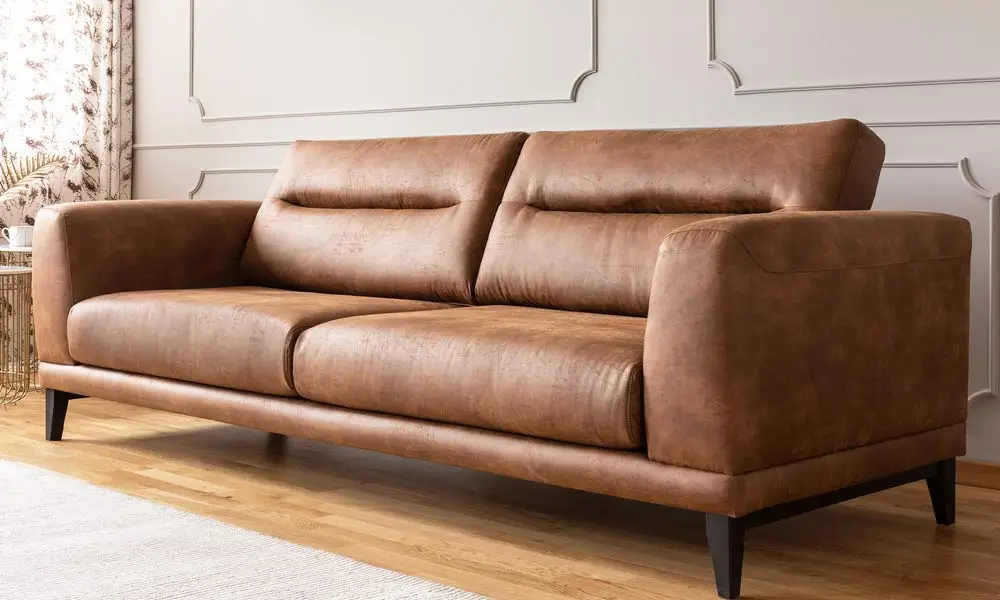
Leather furniture ages gracefully with conditioning, but neglect leads to cracking. Dust weekly with a dry cloth. Clean every three months or after spills. Mix mild soap with water, dip a cloth, wring it out, and wipe in circular motions. Rinse with a damp cloth and dry thoroughly—never soak leather.
Apply leather conditioner biannually. Use a cream-based product for most leathers; suede needs a spray. Massage it in with a cloth, let absorb for an hour, then buff. This replenishes oils, preventing dryness on sofas exposed to sunlight. Rotate cushions to even wear.
Small cracks? Fill with leather filler, color-matched, and seal with finish. For larger rips on chairs, sub-patch from underneath with leather scrap and adhesive, then blend edges. Professional help is best for structural damage.
Keep leather away from direct heat or sun to avoid fading. A leather protector spray adds stain resistance after cleaning.
"I learned the hard way with my favorite leather armchair—skipped conditioning for a year during a busy move, and it cracked along the arms. A quick fix cost me $200, but now I condition every six months religiously. Don't wait for the damage to show."
Fabric sofas and chairs collect dust, pet hair, and spills. Vacuum weekly using low suction and crevice tools for crevices. Check the care code: W for water-based cleaners, S for solvent-only, WS for either, X for vacuum only.
For fresh spills, blot—don't rub—with a dry cloth. Mix dish soap and cool water for most fabrics. Dab on, blot off, repeat until gone. Upholstery shampoo works for deeper cleans; follow with a fan to dry. Pet urine needs an enzyme cleaner to neutralize odors.
Frayed edges on chairs? Apply fray-check liquid and press flat. Loose threads get snipped close, not pulled. For tears, use iron-on patches from underneath or fabric glue for small holes. Re-stuff sagging cushions with foam inserts if needed.
Professional steam cleaning annually refreshes fabrics without shrinkage. Fluff pillows daily and rotate for even fading.
| Material | Best Cleaner | Frequency | Tips |
|---|---|---|---|
| Wood | Vinegar-water mix or beeswax polish | Weekly dust, monthly polish | Always dry immediately |
| Leather | Mild soap solution + conditioner | Monthly clean, bi-annual condition | Test in hidden spot |
| Fabric | Soap-water or upholstery shampoo | Weekly vacuum, quarterly spot clean | Blot, don't rub stains |
Align care with seasons to tackle specific threats. Spring brings pollen—extra vacuuming for fabrics. Summer heat dries leather, so condition more. Fall dust from open windows needs wood polishing. Winter humidity shifts demand wood checks.
Follow this seasonal checklist:
These habits prevent wear and tear, keeping tables sturdy and sofas plush.
Empower yourself with at-home fixes. For wood table legs detaching, disassemble, clean joints, reglue with wood glue, and clamp overnight. Leather sofa seams splitting? Stitch with a curved needle and heavy thread matching the color. Fabric chair arms pilling? Gently shave with a fabric shaver, then spray with protector.
Sticky drawer on a wood dresser? Rub paraffin wax on runners. Squeaky chair frame? Tighten bolts or apply lubricant to joints. These take under 30 minutes and save professional fees.
Track repairs in a notebook—patterns reveal needs like more humidity control.
Place coasters under drinks on wood tables, even with polish. Use trays for remotes on leather. Lift, don't drag, chairs to avoid scratches. Sunlight fades all materials—use sheer curtains or reposition. Invest in quality pads under legs for hard floors.
Regular care turns furniture into heirlooms. Your sofas will stay inviting, tables reliable, and chairs comfortable for years. Start small this weekend, and enjoy the payoff.
Word count: approximately 1450.
Published: Friday, January 30, 2026 Viewed 2 times.
tepte.com: Your Questions and Answers Resource with a Wealth of General Knowledge
Are you seeking a one-stop destination for comprehensive knowledge and answers to your burning questions? Look no further than tepte.com! Our platform is your go-to source for a wide range of information, all conveniently presented in an easily accessible question and answer format.
At tepte.com, we pride ourselves on being your reliable knowledge hub. Whether you're curious about technology, science, history, or any other subject under the sun, our extensive General Knowledge (GK) knowledge base has you covered. We've made it our mission to provide you with in-depth insights and facts on an array of topics. Read more
