
Tepte.com


In 2013, a group in Bryan, Texas, USA, broke the Guinness World Record set the previous year for the largest gingerbread house, with a 2,520-square-foot (234m2) edible-walled house in aid of a hospital trauma centre. The gingerbread house had an estimated calorific value exceeding 35.8 million and ingredients included 2,925 pounds (1,327kg) of brown sugar, 1,800 pounds (820kg) of butter, 7,200 eggs and 7,200 pounds (3,300kg) of general purpose flour.
In Europe gingerbreads were sold in special shops and at seasonal markets that sold sweets and gingerbread shaped as hearts, stars, soldiers, babies, riders, trumpets, swords, pistols and animals. Gingerbread was especially sold outside churches on Sundays. Religious gingerbread reliefs were purchased for the particular religious events, such as Christmas and Easter. The decorated gingerbreads were given as presents to adults and children, or given as a love token, and bought particularly for weddings, where gingerbreads were distributed to the wedding guests.

A gingerbread relief of the patron saint was frequently given as a gift on a person's name day, the day of the saint associated with his or her given name. It was the custom to bake biscuits and paint them as window decorations. The most intricate gingerbreads were also embellished with iced patterns, often using colours, and also gilded with gold leaf. Gingerbread was also worn as a talisman in battle or as protection against evil spirits.
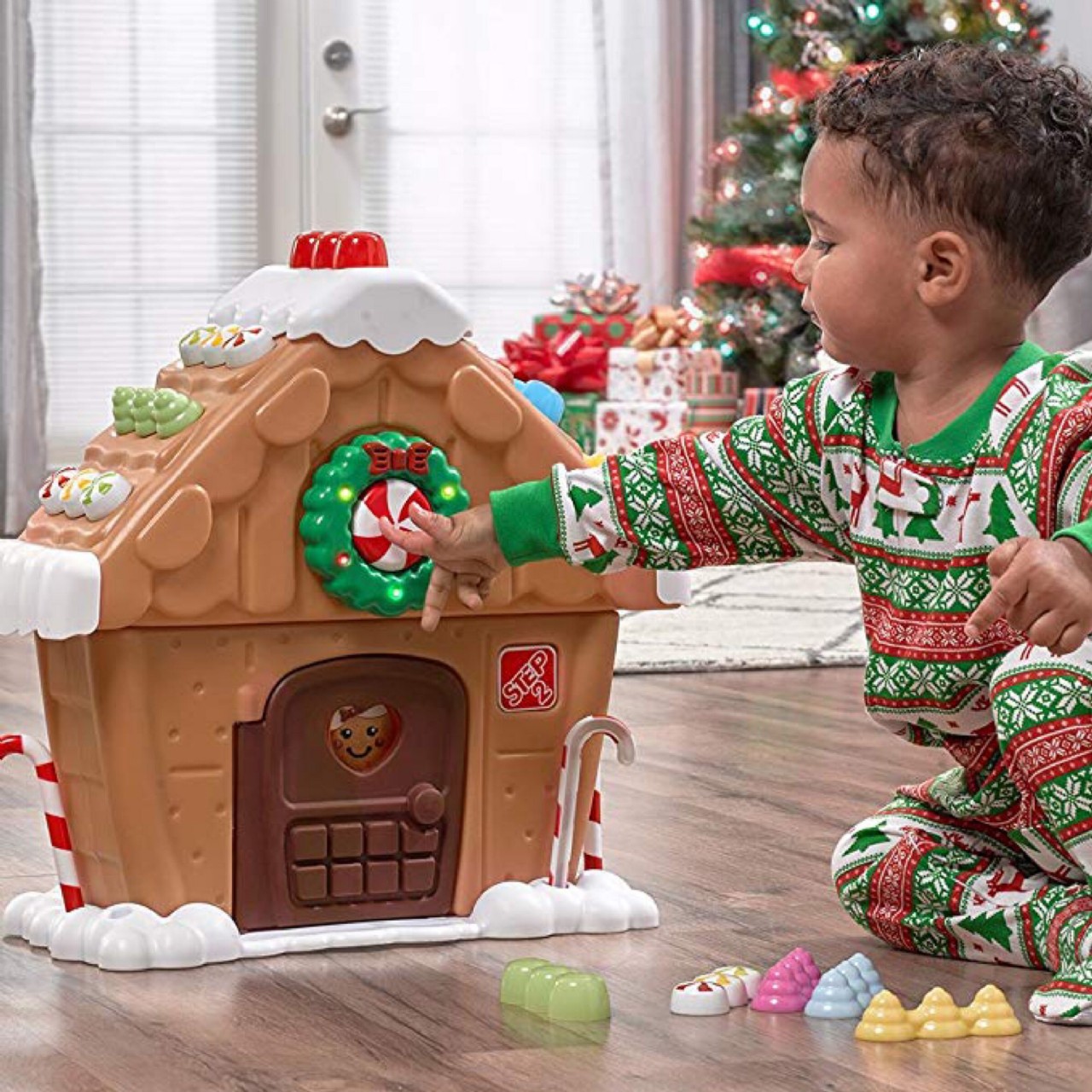
The tradition of making decorated gingerbread houses started in Germany in the early 1800s. According to certain researchers, the first gingerbread houses were the result of the well-known Grimm's fairy tale "Hansel and Gretel" in which the two children abandoned in the forest found an edible house made of bread with sugar decorations. After this book was published, German bakers began baking ornamented fairy-tale houses of lebkuchen (gingerbread). These became popular during Christmas, a tradition that came to America with Pennsylvanian German immigrants. According to other food historians, the Grimm brothers were speaking about something that already existed.
Published: Wednesday, October 2, 2019 Viewed 143 times.
tepte.com: Your Questions and Answers Resource with a Wealth of General Knowledge
Are you seeking a one-stop destination for comprehensive knowledge and answers to your burning questions? Look no further than tepte.com! Our platform is your go-to source for a wide range of information, all conveniently presented in an easily accessible question and answer format.
At tepte.com, we pride ourselves on being your reliable knowledge hub. Whether you're curious about technology, science, history, or any other subject under the sun, our extensive General Knowledge (GK) knowledge base has you covered. We've made it our mission to provide you with in-depth insights and facts on an array of topics. Read more
