
Tepte.com


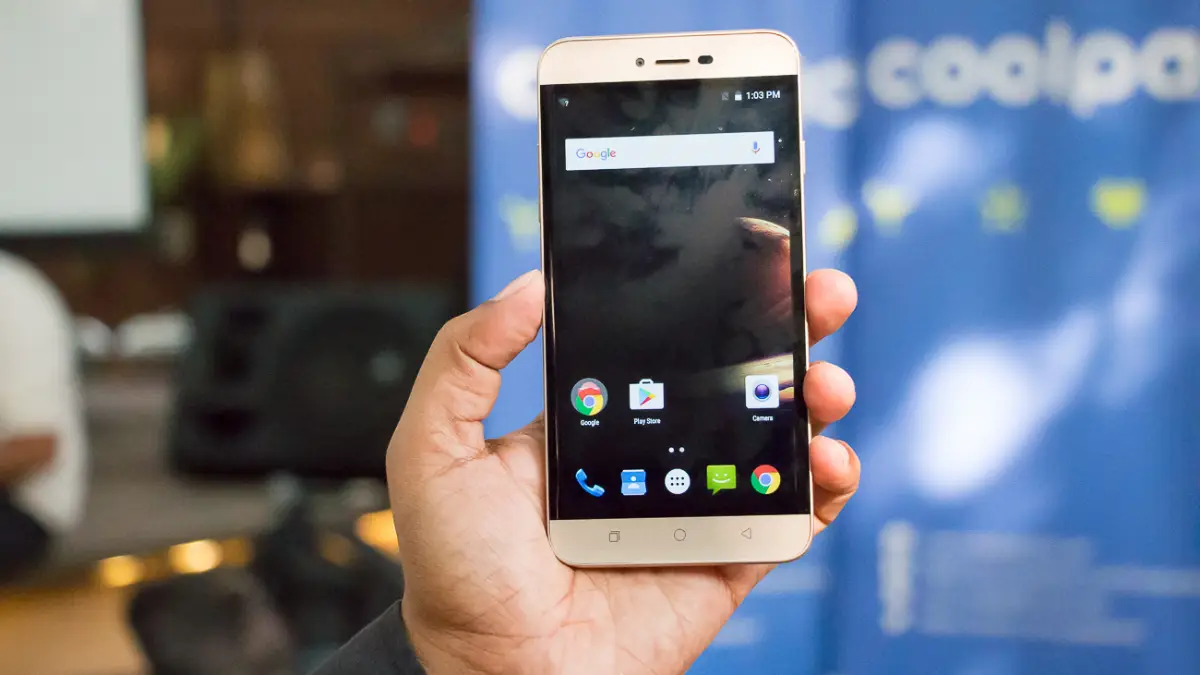
Buying a new smartphone can feel overwhelming, especially when you're staring at a wall of technical jargon. Terms like RAM, processor speed, and megapixel cameras get thrown around, but what do they actually mean for your daily use? This guide breaks it all down in simple terms, focusing on the key specs that matter most: display, RAM, battery, camera, and more. By the end, you'll know exactly what to look for to pick a phone that fits your needs without overspending.
Smartphone specs aren't just numbers—they directly impact how smoothly your phone runs apps, how long it lasts on a charge, and how your photos turn out. For beginners, the goal is balance: enough power for your habits without paying for extras you'll never use. If you browse social media, stream videos, and snap casual pics, you don't need top-tier specs. But if you're into gaming or video editing, prioritize performance.
Manufacturers list specs prominently, but they often prioritize marketing over clarity. We'll cut through that to explain real-world effects. Let's start with the screen, since it's what you interact with most.
The display is your phone's window to the world. Key specs include size (measured in inches diagonally), resolution (like 1080p or 4K), and refresh rate (measured in Hz).
Screen size: Ranges from 6.1 inches on compact models to 6.8 inches on larger ones. Bigger screens are great for movies but make phones bulkier and harder to pocket. Think about one-hand use—if you have smaller hands, aim for under 6.5 inches.
Resolution: This is pixel count, often listed as Full HD+ (around 1080 x 2400) or QHD+ (1440 x 3200). Higher means sharper images, but past Full HD+, the difference is subtle unless you have eagle eyes or sit super close. For most, Full HD+ on a 6.5-inch screen looks plenty crisp.
Refresh rate: Standard is 60Hz, but 90Hz or 120Hz makes scrolling buttery smooth, like flipping pages in a book. It's a game-changer for fluid animations, but drains battery faster.
Pro tip: Look for OLED or AMOLED panels over LCD—they offer deeper blacks and vibrant colors for media consumption.
| Spec Level | Screen Size | Resolution | Refresh Rate | Best For |
|---|---|---|---|---|
| Budget | 6.5" | HD+ (720p) | 60Hz | Basic use |
| Mid-range | 6.6" | Full HD+ (1080p) | 90Hz | Daily multitasking |
| Flagship | 6.7" | QHD+ (1440p) | 120Hz | Gaming, media |
Your phone's processor (CPU or chipset, like Snapdragon or Apple A-series) and RAM determine speed. The processor crunches tasks; RAM holds active apps in memory.
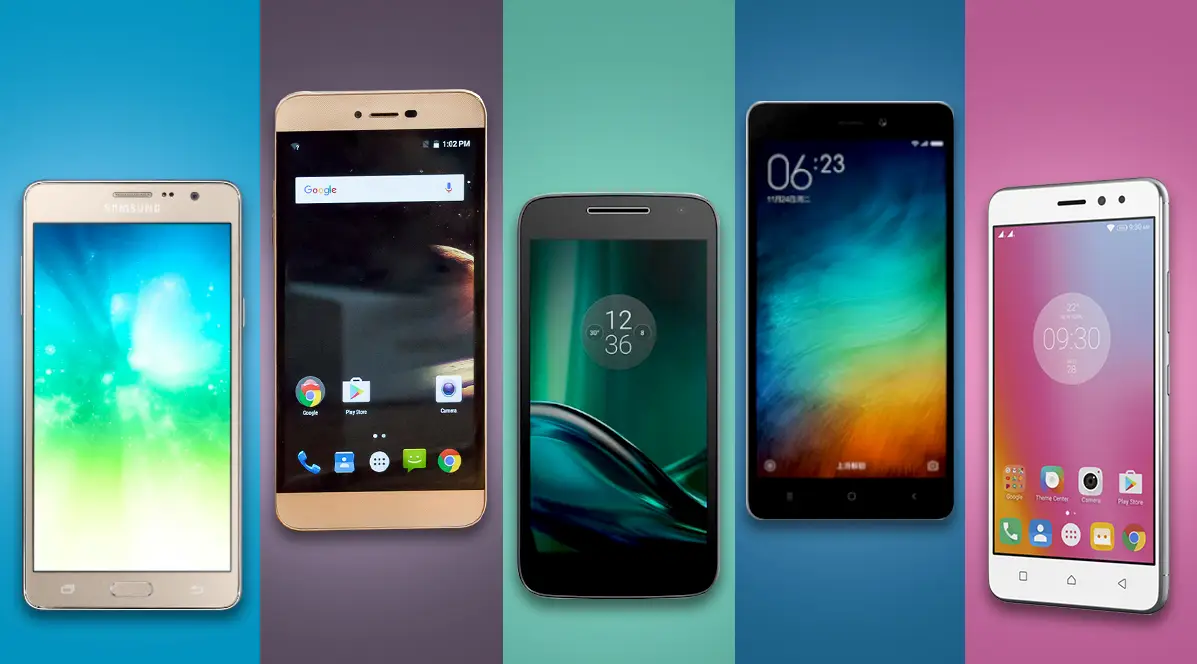
A good processor has multiple cores (e.g., octa-core) with high clock speeds (GHz). Brands like Qualcomm Snapdragon or MediaTek Dimensity score high on benchmarks like Geekbench. For beginners, mid-range chips like Snapdragon 7-series handle everything from email to light gaming without hiccups.
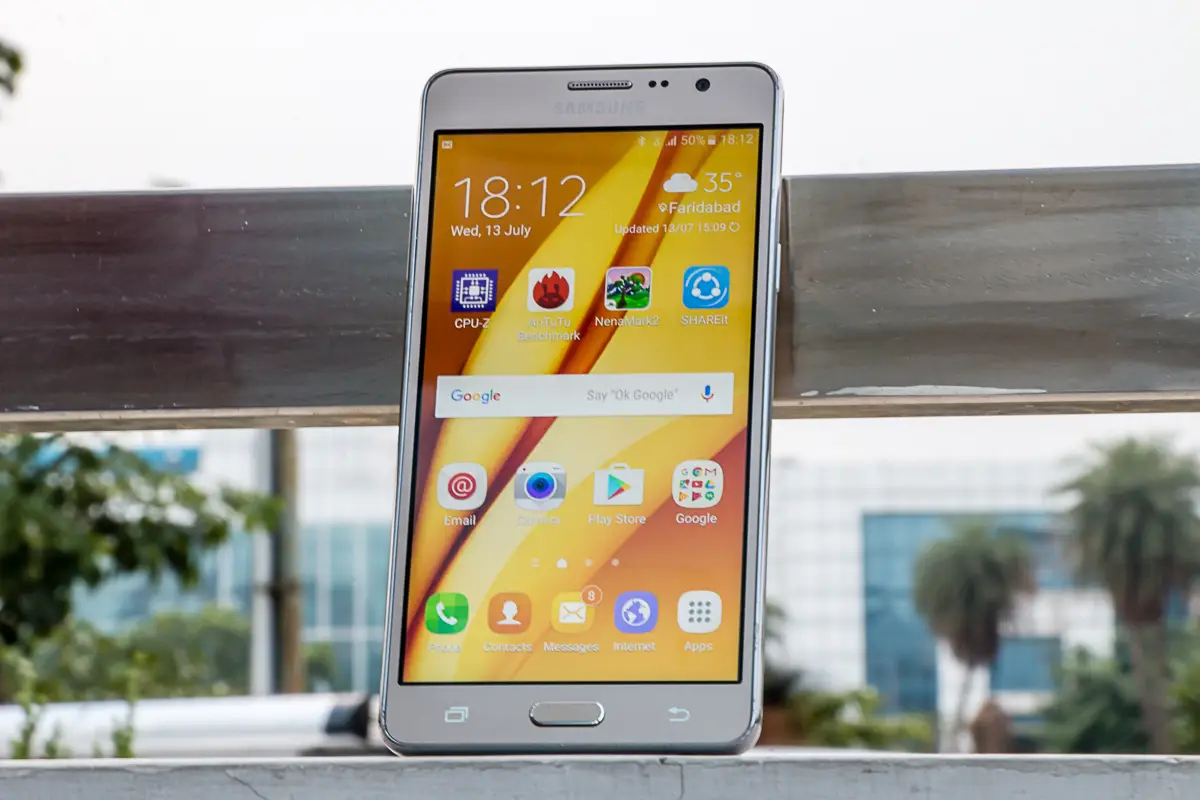
RAM: 4GB is bare minimum today—fine for basics but lags with multiple tabs. 6GB-8GB is sweet spot for smooth app switching. 12GB+ shines for heavy multitaskers. More RAM means fewer reloads when jumping apps.
Real difference? On 4GB, Instagram might refresh mid-scroll; 8GB keeps it seamless.
Storage (usually 128GB or 256GB) holds apps, photos, and files. Unlike computers, phones rarely upgrade easily, so choose wisely. 64GB fills fast with apps alone; 128GB covers most users. 256GB+ if you hoard videos.
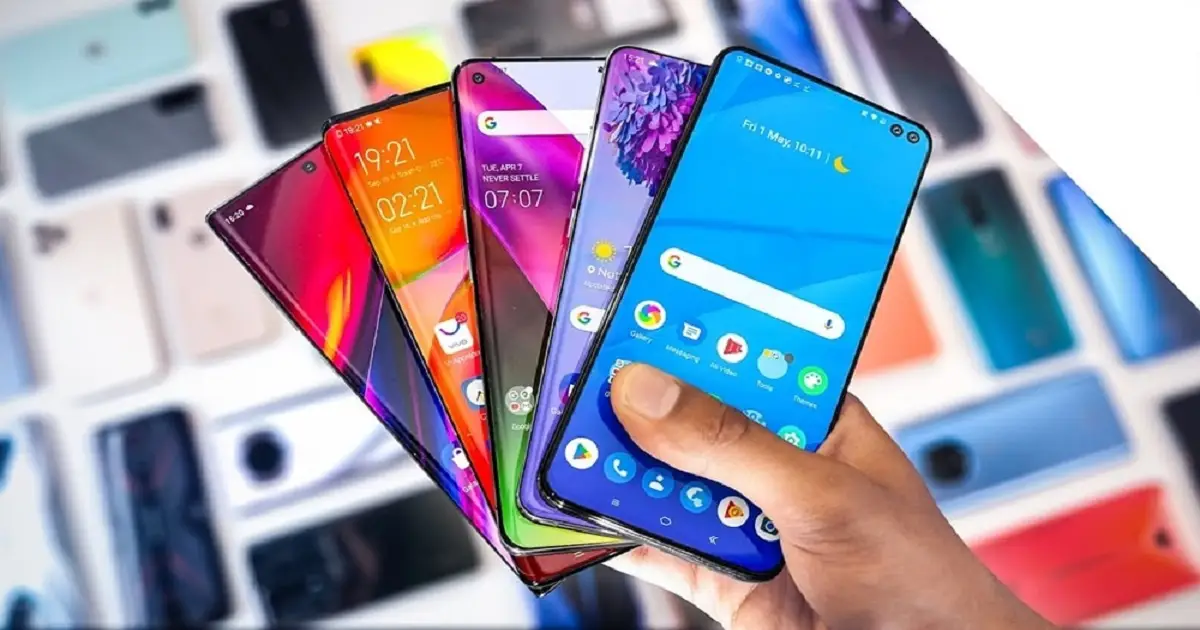
Check for expandable storage via microSD—handy for budget phones. Cloud options like Google Drive help, but local storage is faster and offline-ready.
Cameras lure buyers with huge numbers, but megapixels aren't everything. A 12MP sensor can outshoot 108MP if software and lens quality shine.
Key factors:
For portraits or social shares, dual/triple setups suffice. Test sample photos online—real-world beats specs.
"I once bought a phone with a 108MP camera thinking it'd be pro-level. Turns out, in dim light, my old 12MP phone took clearer pics because of better processing. Specs tricked me—always check reviews!"
Battery capacity (mAh) sounds straightforward—5000mAh is common—but efficiency matters more. Software optimization and screen size affect runtime.
Expect 6-8 hours screen-on time from 4500mAh+ batteries. Fast charging (25W+) juices up in under an hour; wireless is convenient but slower.
Look for all-day endurance claims backed by tests. Adaptive battery saves power by learning your habits.
Don't overlook operating system—Android offers customization; iOS prioritizes polish and updates. Promise of 3-5 years of OS upgrades means longevity.
Build quality: IP68 water resistance, Gorilla Glass for drops. Aluminum or glass feels premium.
Connectivity: 5G for future-proof speed, Wi-Fi 6, Bluetooth 5.2. NFC for contactless payments.
Cross-reference sites like GSMArena. Match your needs:
Social butterfly? Prioritize display and camera.
Power user? RAM, processor, battery.
Set a budget: Mid-range often best value.
| Use Case | Key Specs Priority | Example Min Specs |
|---|---|---|
| Casual | Battery, Display | 6GB RAM, 5000mAh |
| Photography | Camera, Storage | 48MP main, 128GB |
| Gaming | Processor, RAM | Snapdragon 8-series, 8GB RAM |
Before clicking buy:
Understanding these specs empowers smarter choices. Next time specs pop up, you'll know a winner from a dud. Happy hunting!
Published: Saturday, March 28, 2026 Viewed 9 times.
tepte.com: Your Questions and Answers Resource with a Wealth of General Knowledge
Are you seeking a one-stop destination for comprehensive knowledge and answers to your burning questions? Look no further than tepte.com! Our platform is your go-to source for a wide range of information, all conveniently presented in an easily accessible question and answer format.
At tepte.com, we pride ourselves on being your reliable knowledge hub. Whether you're curious about technology, science, history, or any other subject under the sun, our extensive General Knowledge (GK) knowledge base has you covered. We've made it our mission to provide you with in-depth insights and facts on an array of topics. Read more
