
Tepte.com


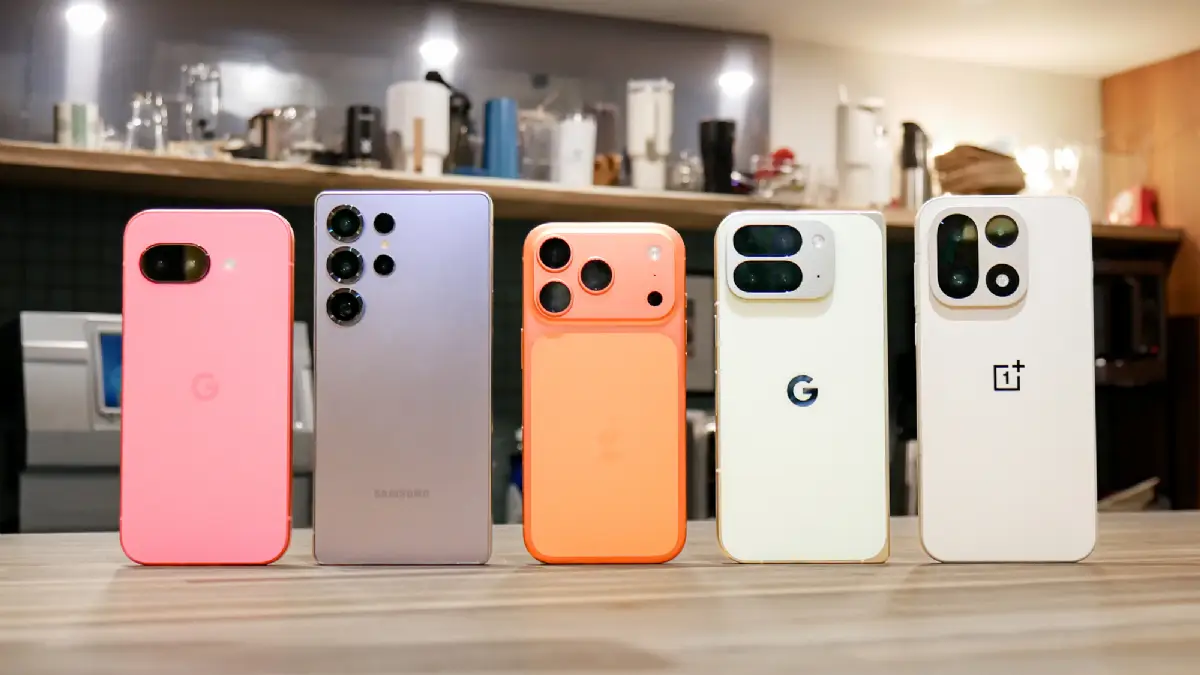
Shopping for a new smartphone in 2026 feels overwhelming with so many options from Android and iOS ecosystems. Whether you're upgrading for better photos, all-day battery, or smoother performance, this guide breaks it down. We'll compare key features like camera quality, battery life, processor speed, and OS differences to help you find a device that fits your daily routine, from casual scrolling to heavy gaming or professional video editing.
Before diving into specs, figure out your priorities. Are you a photographer chasing pro-level camera sensors? A traveler needing epic battery life? Or someone who wants seamless integration with other devices? Budget plays a huge role—expect entry-level phones around $400, mid-range at $600–$900, and flagships over $1,000.
Set a realistic number. Premium iOS devices like the latest iPhone often hold value longer, while Android offers more variety at every price point. Ask yourself: Do I need 5G mmWave for ultra-fast speeds, or is standard 5G enough? This narrows your search quickly.
Choosing between Android and iOS is often the first big decision. iOS shines in simplicity and privacy, with tight hardware-software integration that delivers buttery performance. Updates roll out uniformly across devices, and features like Face ID feel polished.
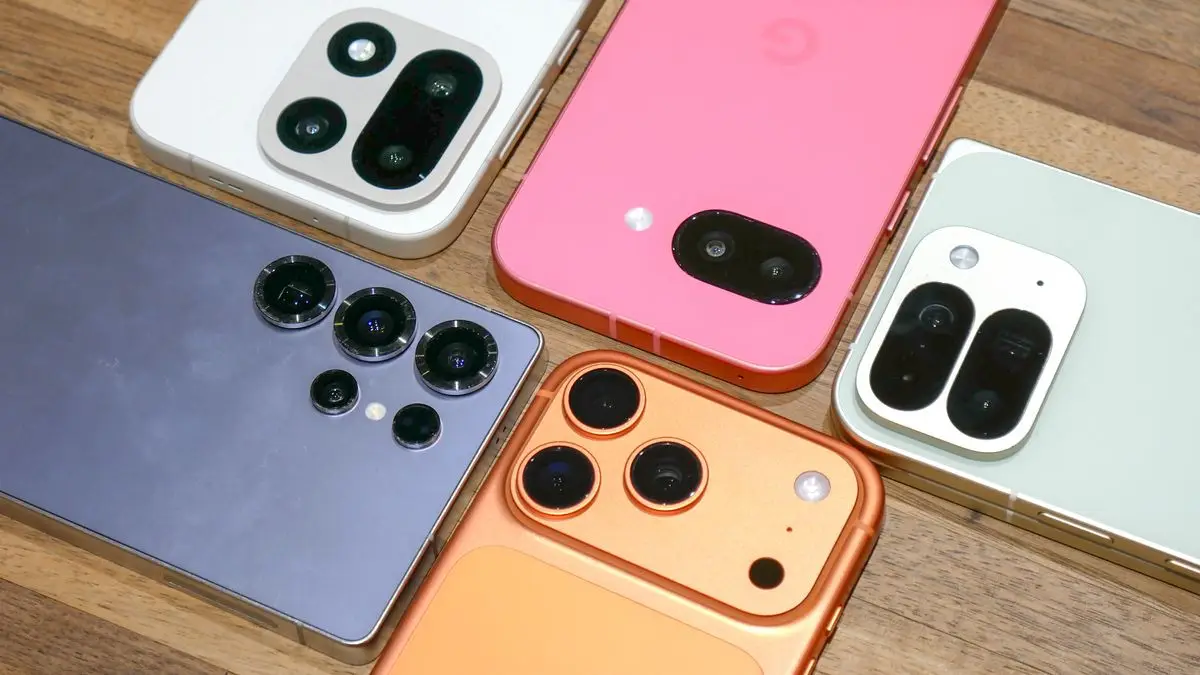
Android, powered by Google and customized by brands like Samsung, Google Pixel, and OnePlus, gives flexibility. You get deeper customization—think themes, launchers, and multitasking split-screens. In 2026, Android 17 emphasizes AI assistants for smarter automation, while iOS 20 focuses on spatial computing ties to Vision Pro.
Neither is "better"—it depends on your workflow. Gamers might prefer Android's higher refresh rates; creatives often stick with iOS for Final Cut Pro integration.
Camera systems have evolved dramatically by 2026, with computational photography making every shot Instagram-ready. Look for triple or quad setups with large sensors (1/1.3-inch or bigger) for low-light prowess.
On iOS, iPhones excel in video stabilization—think 8K at 120fps with cinematic modes. Pixels lead Android with Magic Editor AI for effortless post-processing. Samsung's Galaxy series adds periscope zooms up to 100x Space Zoom.
Test in-store: Shoot portraits, night skies, and macros. Prioritize camera megapixels less than software smarts—60MP sensors with pixel-binning outperform raw 200MP counts.
Battery life is non-negotiable. 2026 phones pack 5,000–6,500mAh cells, lasting 10–14 hours of screen time. Silicon-carbon batteries in flagships charge to 80% in 20 minutes via 120W wired or 50W wireless.
iOS optimizes aggressively with adaptive refresh rates, squeezing more from smaller batteries. Android flagships like the OnePlus 14 offer massive capacities for two-day use. Check real-world tests: Video playback, GPS navigation, and 5G drain vary by model.
Pro tip: Enable battery health tools to cap charging at 80% for longevity—most phones now predict and preserve capacity over 1,000 cycles.
Processor speed dictates everything from app launches to ray-traced gaming. Apple's A20 Bionic crushes single-core tasks, ideal for AR apps. Qualcomm's Snapdragon 8 Gen 5 and MediaTek Dimensity 9400 power Android, matching or exceeding in multi-core for editing and emulation.
RAM starts at 8GB for basics, 16GB+ for pros. Storage: 256GB minimum to avoid cloud reliance. Benchmarks like Geekbench show ties between top chips, but real use—multitasking 20 apps—reveals heat management winners.
"I bought a hyped-up flagship last year thinking specs would future-proof it, but poor software updates left it lagging after six months. Always check long-term support—four years minimum for Android, five for iOS." – Tech reviewer Alex Chen, after testing 20 devices.
Screens are brighter than ever at 3,000 nits, with LTPO tech for adaptive 1–120Hz refresh. Android dominates foldables (Galaxy Z Fold 8 unfolds to 8 inches), while iOS sticks to slabs with Dynamic Island notches.
Durability: IP68 water resistance is standard; Gorilla Glass Victus 3 shrugs off 2-meter drops. Titanium frames on premiums add premium feel without bulk.
| Feature | Top iOS (iPhone 18 Pro) | Top Android (Galaxy S28 Ultra) | Best Value Android (Pixel 11) |
|---|---|---|---|
| Camera (Main Sensor) | 48MP, 1/1.28" | 200MP, 1/1.3" | 50MP, 1/1.31" |
| Battery (mAh / Endurance) | 4,800 / 12hrs | 5,500 / 14hrs | 5,050 / 13hrs |
| Processor | A20 Bionic | Snapdragon 8 Gen 5 | Tensor G5 |
| OS Updates | 7 years | 7 years | 7 years |
| Price (256GB) | $1,199 | $1,299 | $799 |
For budget hunters, Nothing Phone 3 delivers clean Android with glyph lights for $499. Mid-range stars include Google Pixel 11 for AI photo magic and iPhone 17 for balanced iOS.
Performance beasts: Samsung Galaxy S28 series for stylus multitasking; OnePlus 14 for raw speed. Premium? iPhone 18 Pro Max or Galaxy Z Fold 8 if you crave versatility.
Match to lifestyle: Runners want lightweight with precise GPS; parents prioritize rugged cases and family sharing.
In 2026, the right smartphone enhances your life without breaking the bank. Weigh Android's customization against iOS's reliability, prioritize battery life and camera for daily wins, and use our table and checklist to decide. Head to a store, handle a few models, and you'll know. Your perfect phone waits—happy hunting!
Published: Monday, January 19, 2026 Viewed 1 times.
tepte.com: Your Questions and Answers Resource with a Wealth of General Knowledge
Are you seeking a one-stop destination for comprehensive knowledge and answers to your burning questions? Look no further than tepte.com! Our platform is your go-to source for a wide range of information, all conveniently presented in an easily accessible question and answer format.
At tepte.com, we pride ourselves on being your reliable knowledge hub. Whether you're curious about technology, science, history, or any other subject under the sun, our extensive General Knowledge (GK) knowledge base has you covered. We've made it our mission to provide you with in-depth insights and facts on an array of topics. Read more
