
Tepte.com


Landing your dream job often hinges on how well you handle behavioral questions during interviews. These aren't your standard "tell me about yourself" queries. Instead, they dig into your past experiences to predict your future performance. Recruiters love them because they reveal real-world skills like problem-solving, teamwork, and leadership. If you're searching for interview preparation strategies, mastering the STAR method is your best bet. This structured approach helps you craft clear, compelling answers that showcase your strengths without rambling.
In this guide, we'll break down everything you need to know about behavioral questions and the STAR method. You'll get practical examples, practice prompts, and tips to build confidence. Whether you're prepping for a tech role, sales position, or entry-level gig, these techniques will help you stand out to potential employers.
Behavioral questions start with phrases like "Tell me about a time when..." or "Give an example of...". They focus on specific situations from your career or life, such as handling conflict, meeting deadlines, or driving results. Employers use them to see patterns in your behavior. For instance, if a job requires strong collaboration, they'll ask about your teamwork experiences.
Why bother preparing? Studies from career sites like LinkedIn show that structured answers increase your callback chances by up to 30%. Random stories won't cut it—recruiters want evidence of your fit. The STAR method turns vague recollections into polished responses, making you memorable.
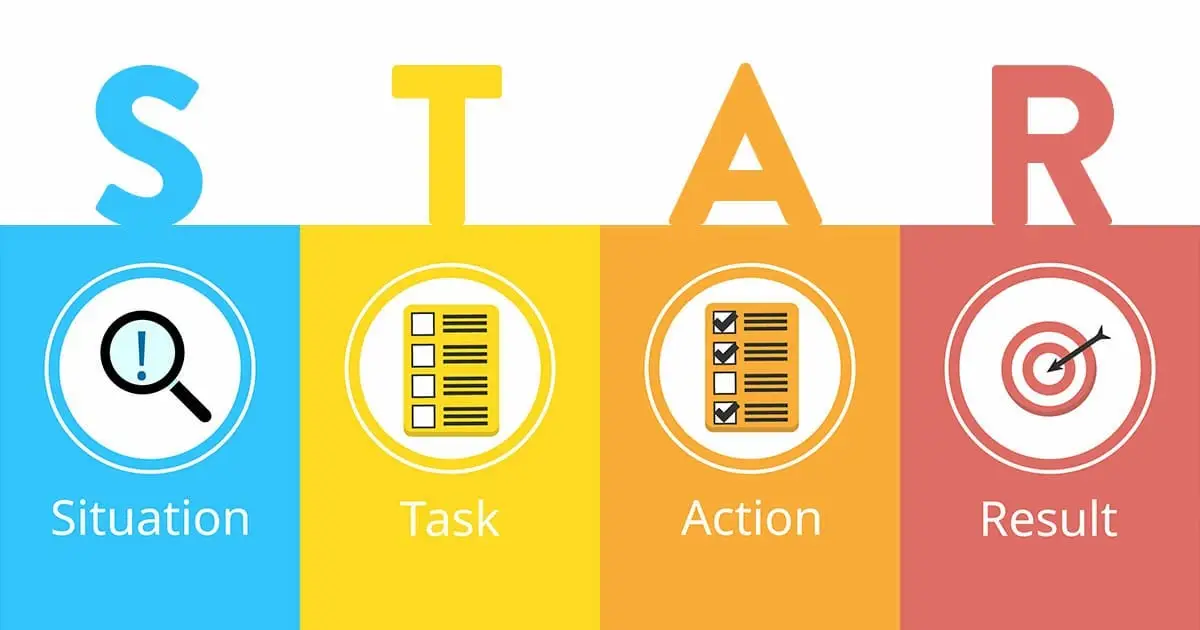
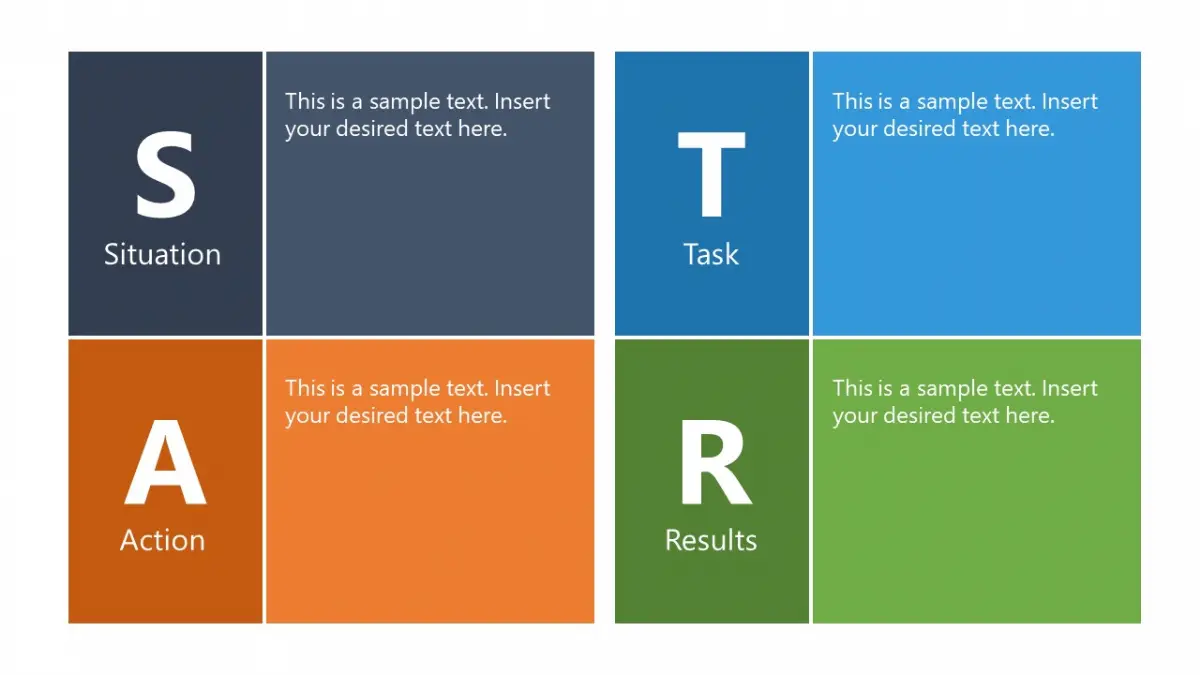
The STAR method stands for Situation, Task, Action, and Result. It's simple but powerful, keeping your answers concise (aim for 2-3 minutes) and focused. Here's how it works:
Practice this religiously. Jot down 5-10 stories from your experience that cover key skills like adaptability, initiative, and communication. Tailor them to the job description.
Most interviews hit these themes. Let's apply STAR to real examples.
Situation: In my last role at a marketing firm, our team was tasked with launching a product campaign under a tight deadline.
Task: As the lead coordinator, I needed to align five designers and writers.
Action: I set up daily stand-ups, delegated based on strengths, and used shared docs for real-time feedback.
Result: We delivered two days early, boosting client satisfaction scores by 15%.
Situation: During a software rollout, a key vendor delayed delivery.
Task: I had to keep the project on track for 20 stakeholders.
Action: I negotiated with backups, redistributed workloads, and communicated transparently via weekly updates.
Result: Project completed on budget, with zero escalations.
Situation: Sales targets were slipping in Q4.
Task: Hit 110% of my quota.
Action: Analyzed customer data, personalized outreach, and ran targeted webinars.
Result: Closed 25% more deals than peers, earning top performer recognition.
"I once bombed an interview by jumping straight into results without context—it sounded boastful and disconnected. The recruiter later told me they couldn't picture my role in the story. Always frame with STAR; it builds credibility instantly." – Sarah K., Hiring Manager at a Fortune 500 firm.
Don't wing it. Use these practice prompts to build your story bank. Record yourself or rehearse with a friend for feedback.
For each, outline your STAR notes on paper first. Over time, you'll respond fluidly. Focus on positive spins—even failures show growth.
| Question Theme | Situation Example | Action Focus | Result Metric |
|---|---|---|---|
| Teamwork | Cross-functional project delay | Facilitated meetings, delegated tasks | Delivered 10% under budget |
| Challenges | Unexpected budget cut | Renegotiated contracts, cut non-essentials | Saved 15%, met all KPIs |
| Achievements | Low team morale | Implemented recognition program | Productivity up 25%, retention improved |
| Leadership | New team member onboarding | Created mentorship pairs, training sessions | Ramp-up time reduced by 40% |
| Problem-Solving | System outage during peak hours | Troubleshot root cause, deployed fix | Downtime minimized to 30 mins |
This table gives you a quick reference. Customize with your metrics for authenticity.
Now that you have the basics, layer on these interview preparation strategies for polish:
Mock interviews are gold. Apps like Pramp or friends can simulate pressure. Review recordings to refine delivery.
Interviewers often probe deeper: "What would you do differently?" or "Why that action?" Stay STAR-consistent but add reflection. For virtual setups, test tech, use a neutral background, and speak slower—pauses land better on camera.
Track common behavioral questions from Glassdoor for your industry. Roles in management might emphasize conflict resolution, while creative fields hit innovation stories.
Consistent practice turns STAR into muscle memory. Start today: List your top achievements, STAR them out, and rehearse aloud. You'll walk into interviews ready to shine, turning nerves into excitement.
Remember, authenticity wins. Share genuine stories—faking it shows. With these tools, you're equipped to demonstrate how your experiences make you the ideal hire. Good luck; you've got this!
Published: Thursday, January 22, 2026 Viewed 5 times.
tepte.com: Your Questions and Answers Resource with a Wealth of General Knowledge
Are you seeking a one-stop destination for comprehensive knowledge and answers to your burning questions? Look no further than tepte.com! Our platform is your go-to source for a wide range of information, all conveniently presented in an easily accessible question and answer format.
At tepte.com, we pride ourselves on being your reliable knowledge hub. Whether you're curious about technology, science, history, or any other subject under the sun, our extensive General Knowledge (GK) knowledge base has you covered. We've made it our mission to provide you with in-depth insights and facts on an array of topics. Read more
