
Tepte.com


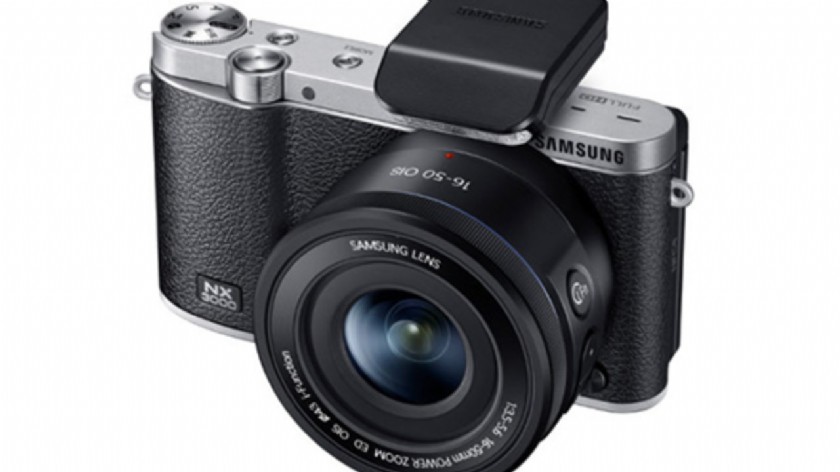
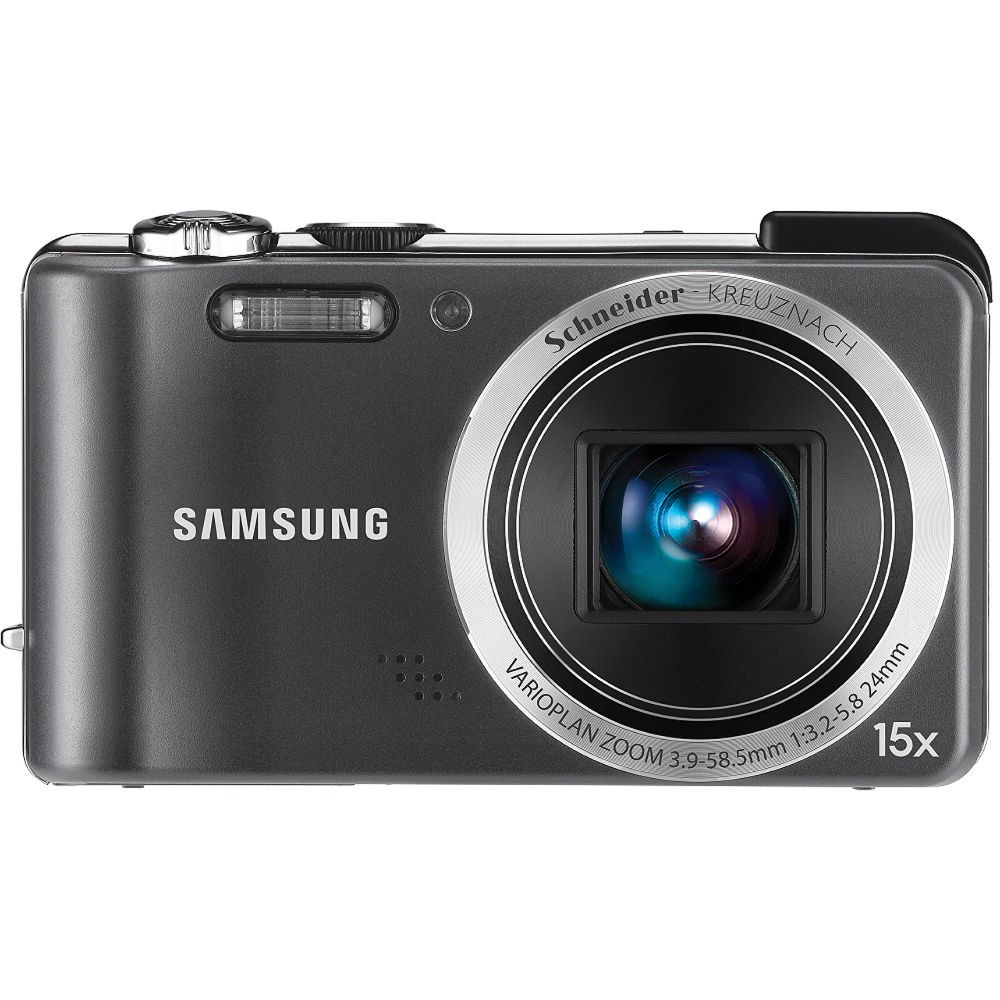
Red eye occurs when the subject's eyes reflect light from the camera flash.
• Set the flash option to Red-eye or Red-eye Fix.
• If the photo has already been captured, select Red-eye Fix in the edit menu.
If dust particles are present in the air, you may capture them in photos when you use the flash.
• Turn off the flash or avoid capturing photos in a dusty place.
• Set ISO sensitivity options.
Blurring can occur if you capture photos in low light conditions or hold the camera incorrectly.
Use the OIS function or half-press [Shutter] to ensure the subject is in focus.
As the camera tries to let in more light, the shutter speed slows. This can make it difficult to hold the camera steady long enough to capture a clear photo and may result in camera shake.
• Select Night in mode.
• Turn on the flash.
• Set ISO sensitivity options.
• Use a tripod to prevent your camera from shaking.
When the light source is behind the subject or when there is a high contrast between light and dark areas, the subject may
appear too dark.
• Avoid shooting toward the sun.
• Select Silhouette in mode.
• Set the flash option to Fill in.
• Adjust the exposure.
• Set the Auto Contrast Balance (ACB) option.
• Set the metering option to Spot if a subject is in the center of the frame.
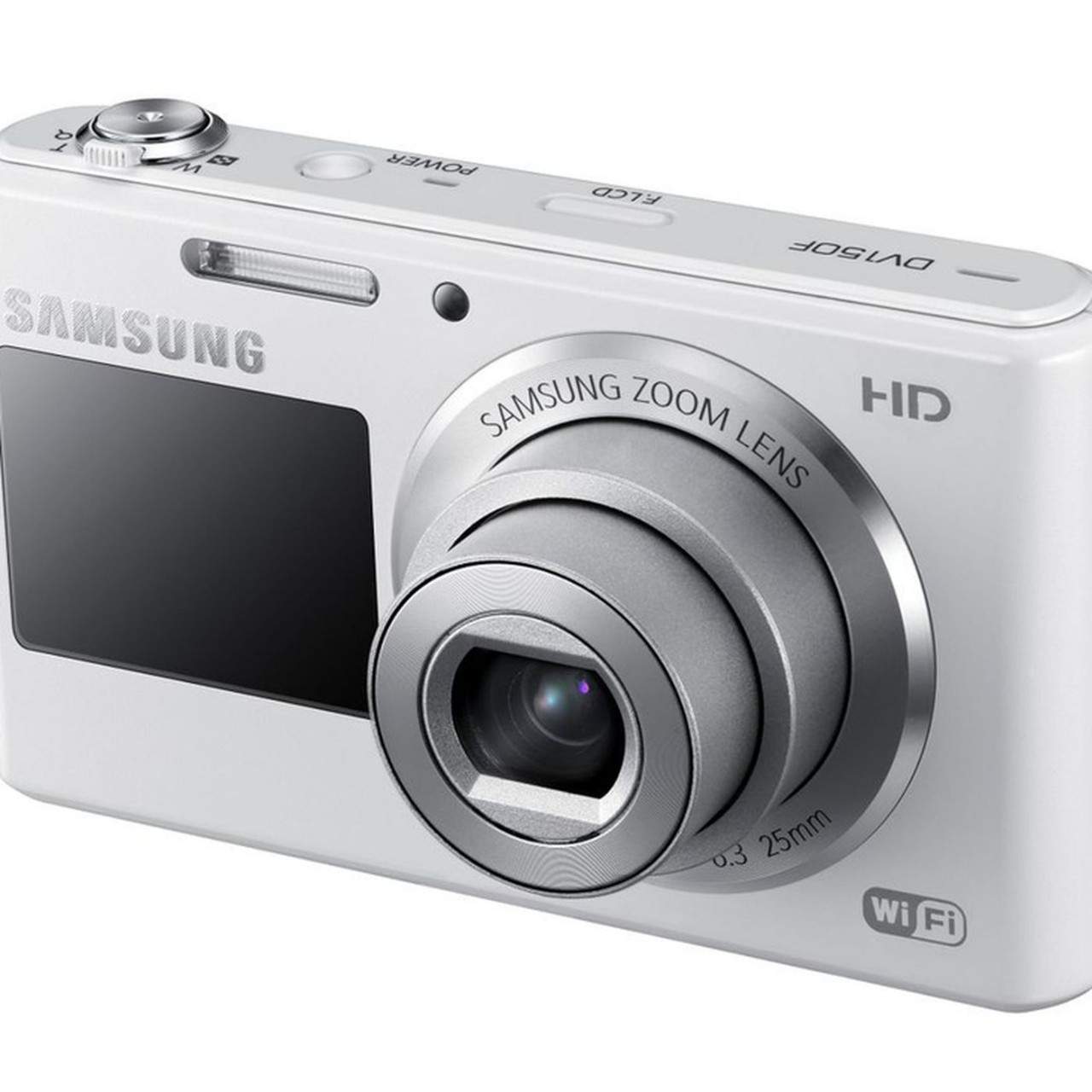
• Ensure that the battery is inserted.
• Ensure that the battery is inserted correctly.
• Charge the battery.
• Charge the battery.
• Your camera may be in Auto Power Off mode.
• The camera may turn off to prevent the memory card from being damaged due to an impact. Turn on your camera again.
• The battery may lose power more quickly in low temperatures (below 0 °C/32 °F). Keep the battery warm by putting it into your pocket.
• Using the flash or recording videos depletes the battery quickly. Recharge if needed.
• Batteries are consumable parts that must be replaced over time. Get a new battery if the battery life is diminishing quickly.
• There is no space on the memory card. Delete unnecessary files or insert a new card.
• Format the memory card.
• The memory card is defective. Get a new memory card.
• Make sure that the camera is switched on.
• Charge the battery.
• Make sure that the battery is inserted correctly.
Remove the battery and insert it again.
While you use the camera, it may heat up. This is normal and should not affect your camera’s lifespan or performance.
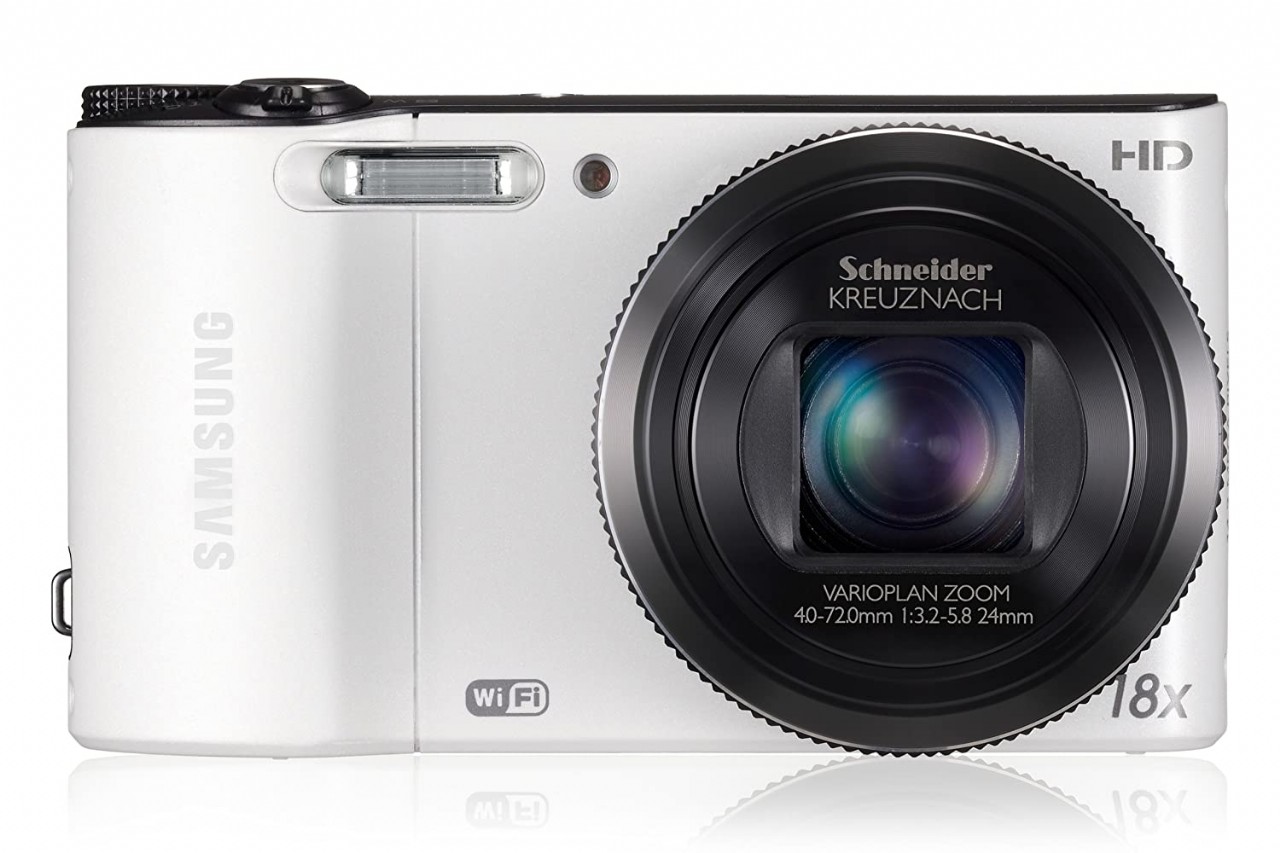
• The flash option may be set to Off.
• You cannot use the flash in some modes.
The flash may fire due to static electricity. The camera is not malfunctioning.
Set the date and time in the display settings.
Remove the battery, and then insert it again.
If you use your camera at very low temperatures, it may cause the camera screen to malfunction or discolor. For better performance of your camera screen, use your camera in moderate temperatures.
• Turn off your camera, and then turn it on again.
• Remove your memory card, and then insert it again.
• Format your memory card.
If you change the name of a file, your camera may not play the file (the name of the file should meet the DCF standard). If you encounter this situation, play back the files on your computer.
• Make sure that the focus option you set is suitable for close-up shots.
• Make sure that the lens is clean. If not, clean the lens.
• Make sure that the subject is within range of the flash.
An incorrect White Balance can create unrealistic color. Select the proper White Balance option to suit the light source.
Your photo is overexposed or underexposed.
• Turn the flash off or on.
• Adjust the ISO sensitivity.
• Adjust the exposure value.
• Make sure that the camera is correctly connected to the TV with the A/V cable.
• Make sure that your memory card contains photos.
• Make sure that the USB cable is connected correctly.
• Make sure that your camera is switched on.
• Make sure that you are using a supported operating system.
The file transmission may be interrupted by static electricity. Disconnect the USB cable and connect it again.
• End i-Launcher and restart the program.
• Make sure that i-Launcher is set to On in the settings menu.
• Depending on your computer's specifications and environment, the program may not launch automatically. In this case, click Start → All Programs → Samsung → i-Launcher → Samsung i-Launcher on your computer. (For Windows 8, click Start → All apps → Samsung i-Launcher.)
SDXC memory cards use the exFAT file system. Ensure that the external device is compatible with the exFAT file system before connecting the camera to the device.
SDXC memory cards use the exFAT file system. To use SDXC memory cards on a Windows XP computer, download and update the exFAT file system driver from the Microsoft website.
 187 times.
tepte.com: Your Questions and Answers Resource with a Wealth of General Knowledge
Are you seeking a one-stop destination for comprehensive knowledge and answers to your burning questions? Look no further than tepte.com! Our platform is your go-to source for a wide range of information, all conveniently presented in an easily accessible question and answer format.
At tepte.com, we pride ourselves on being your reliable knowledge hub. Whether you're curious about technology, science, history, or any other subject under the sun, our extensive General Knowledge (GK) knowledge base has you covered. We've made it our mission to provide you with in-depth insights and facts on an array of topics. Read more
