
Tepte.com



You're standing in a store or scrolling through endless online listings, and suddenly every smartphone looks amazing. But picking the right one in 2026 means cutting through the noise of flashy ads and buzzwords. With AI getting smarter, foldables going mainstream, and battery tech finally catching up, your next phone should fit your life perfectly—not just impress your friends. This guide walks you through the key decisions, from specs that matter to smart price checks, so you end up with a device that lasts.
Think about it: Do you need a powerhouse for gaming and editing videos, or something reliable for calls, apps, and the occasional photo? We'll break it down step by step, focusing on what real users care about in 2026.
Before diving into specs, ask yourself what you use your phone for most. If you're a heavy multitasker juggling work emails, social media, and streaming, prioritize smooth performance and a big screen. Casual users might want something compact with great battery life for all-day reliability.
In 2026, smartphones are more personalized than ever. Brands like Samsung and Google are pushing AI to adapt to your habits—learning your app preferences or even suggesting battery-saving modes. But don't chase trends blindly. Start with basics:
Mapping this out saves you from buyer's remorse. For example, if photography is your thing, camera sensors with advanced computational photography will shine brighter than raw megapixels.
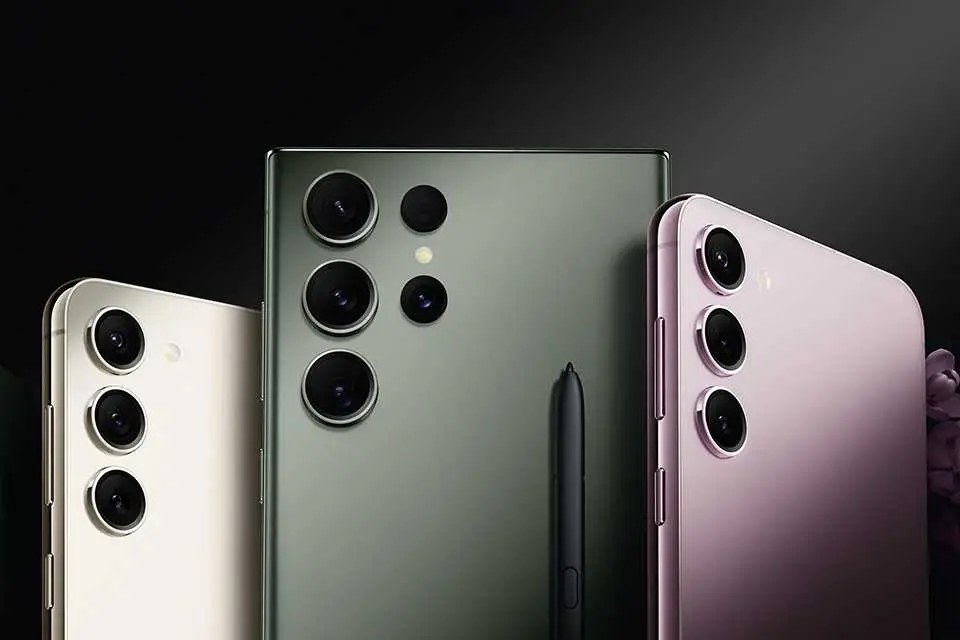
Specs lists can overwhelm, but focus on these proven winners for 2026 models.
A good screen makes everything pop—videos, maps, texts. Look for AMOLED or LTPO OLED panels with at least 120Hz refresh rates for buttery scrolling. In 2026, expect peak brightness over 2000 nits for outdoor visibility, and always-on displays that sip power.
Size matters too: 6.1-6.7 inches for most hands, but foldables like the Galaxy Z series offer 7+ inches unfolded without bulk when closed.
Chipsets like Qualcomm's Snapdragon 8 Gen 4 or Apple's A20 Bionic dominate 2026. They handle AI tasks effortlessly, from real-time translation to photo enhancement. Aim for 12GB RAM minimum for future-proofing; 16GB if you're into heavy apps.
Storage: 256GB base is standard now—expandable options are rare, so go bigger if you hoard media.
No one wants a phone dying mid-day. Target 5000mAh+ batteries with smart efficiency from AI optimization. Wireless charging at 15W+ and 65W wired are common. Solid-state batteries emerging in flagships promise 20% longer life without bulk.
2026 cameras use AI for low-light magic and video stabilization. Prioritize versatile setups: main 50MP+ sensor, ultrawide, 3x+ telephoto, and 4K/60fps video. Selfies? 32MP front cams with portrait modes rule.
Test in-store: Shoot similar scenes across models to see real differences.
Right now, sites like GSMArena or YouTube reviews give instant comparisons. Tools like PhoneArena's spec matcher let you filter by your must-haves. But here's where most people slip—ignoring software support.
Google Pixel offers 7 years of updates, Samsung matches at 7 for flagships. Apple? Seamless iOS ecosystem. In 2026, Android 17 brings deeper AI privacy controls. Check years of OS and security patches promised.
This table cuts to essentials—use it as your quick-reference scorecard when comparing models like iPhone 18, Galaxy S26, or Pixel 11.
I've seen too many folks splurge on the shiniest new foldable, only to realize the crease bugs them daily and repair costs eat their wallet. Lesson: Test foldables in person for at least 30 minutes before committing—ergonomics trump specs every time.
2026 brings matte finishes, slimmer bezels, and eco-materials like recycled aluminum. Weight under 200g feels best. Water resistance (IP68) is non-negotiable. Haptics? Crisp feedback makes typing fun.
Foldables are hot—Galaxy Z Fold7 or Flip7 offer tablet-like screens—but hinge durability has improved, with 500k+ fold cycles rated.
Sub-6GHz and mmWave 5G everywhere, Wi-Fi 7 for blazing home speeds, UWB for precise tracking. Satellite SOS on premium models saves lives in no-signal zones.
This checklist ensures no surprises post-purchase.
Flagships start at $800-1200, mid-range $400-700 deliver 90% performance. Watch for deals—Black Friday or carrier promos shave 20-30%.
Compare bundles: Phone + case + charger often cheaper. Trade-ins via Apple/Samsung recover $200-600. Avoid financing traps with high interest.
Budget picks: Nothing Phone (3) for clean Android, OnePlus 14 for speed demons. Premium: iPhone for ecosystem lock-in, Pixel for pure AI photography.
In 2026, value shines in balanced specs—no need for $1500 ultra if $900 covers you.
AI everywhere: Samsung's Galaxy AI summarizes calls, Google's Gemini edits photos contextually. Privacy? On-device processing keeps data yours.
Audio: Stereo speakers with Dolby Atmos, jackless but USB-C adapters cheap. Sustainability: Brands score on repairability—Fairphone leads, but iFixit rates help.
Read user forums like Reddit's r/Android or r/iphone for real gripes. Watch teardowns for battery health longevity. Warranty? 2 years standard.
Buy from reputable spots—Best Buy, Amazon, carriers—for easy returns. Test in person if possible; feel the grip, swipe the screen.
Your perfect 2026 smartphone boosts productivity, captures memories, and stays relevant years ahead. Nail your needs, use this guide's tools, and you'll walk away confident—no regrets.
Published: Saturday, January 17, 2026 Viewed 4 times.
tepte.com: Your Questions and Answers Resource with a Wealth of General Knowledge
Are you seeking a one-stop destination for comprehensive knowledge and answers to your burning questions? Look no further than tepte.com! Our platform is your go-to source for a wide range of information, all conveniently presented in an easily accessible question and answer format.
At tepte.com, we pride ourselves on being your reliable knowledge hub. Whether you're curious about technology, science, history, or any other subject under the sun, our extensive General Knowledge (GK) knowledge base has you covered. We've made it our mission to provide you with in-depth insights and facts on an array of topics. Read more
