
Tepte.com


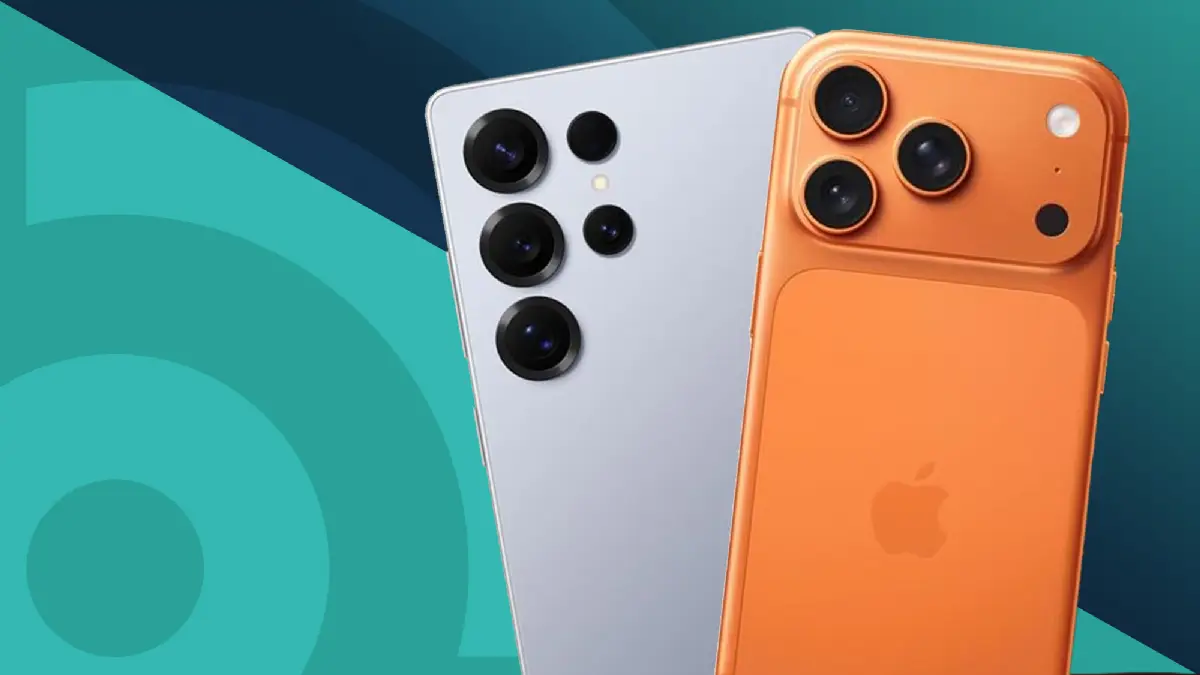
Have you ever pulled out your smartphone to snap a quick photo and thought, "Wow, this looks almost like something from a DSLR"? You're not alone. Phone cameras have come a long way, transforming from pixelated novelties into tools that rival professional gear. Each year brings noticeable leaps in quality, and it's not just marketing hype. Behind the scenes, advancements in hardware like sensors and lenses, combined with smart software including AI, are driving this evolution. In this article, we'll break down exactly why smartphone cameras keep getting better, helping you understand the tech that delivers those stunning shots right from your pocket.
Remember the first camera phones around 2000? They packed tiny sensors with resolutions under a megapixel, producing grainy images that barely held up in good light. Fast forward to today, and flagship phones boast triple-digit megapixels with intricate multi-lens setups. This progress stems from relentless innovation by companies like Apple, Samsung, and Google.
The shift started accelerating in the mid-2010s. Manufacturers realized that cramming bigger sensors into slim bodies required rethinking physics and materials. Larger sensors capture more light, reducing noise in low-light conditions—a key reason why modern phone cameras excel at night shots. Pair that with improved lenses, and you've got clarity that once demanded bulky equipment.
Sensors are the unsung heroes making phone cameras sharper every year. Early models used small CMOS sensors, but now we see stacked designs and quad Bayer arrays. These pack four times the light sensitivity into the same space, boosting dynamic range and color accuracy.
Take pixel binning, for example. It merges data from multiple pixels into one super-pixel, especially handy in dim environments. Phones like the Google Pixel series use this to produce clean 12MP images from 48MP or higher sensors. Year over year, sensor sizes grow— from 1/2.5-inch in 2018 models to over 1-inch in recent flagships—directly translating to better low-light performance and detail.
It's not just about the sensor; lenses have evolved dramatically. Older phone cameras relied on plastic lenses prone to distortion and flare. Today, aspherical glass elements and periscope designs enable true optical zoom without digital tricks that crop quality.
Multi-camera arrays are standard now: ultra-wide for landscapes, telephoto for portraits, and macro for close-ups. Samsung's 100x Space Zoom combines optical and AI-enhanced digital zoom, pushing boundaries. These lenses are precision-engineered with anti-reflective coatings, minimizing aberrations so your photos stay crisp edge-to-edge.
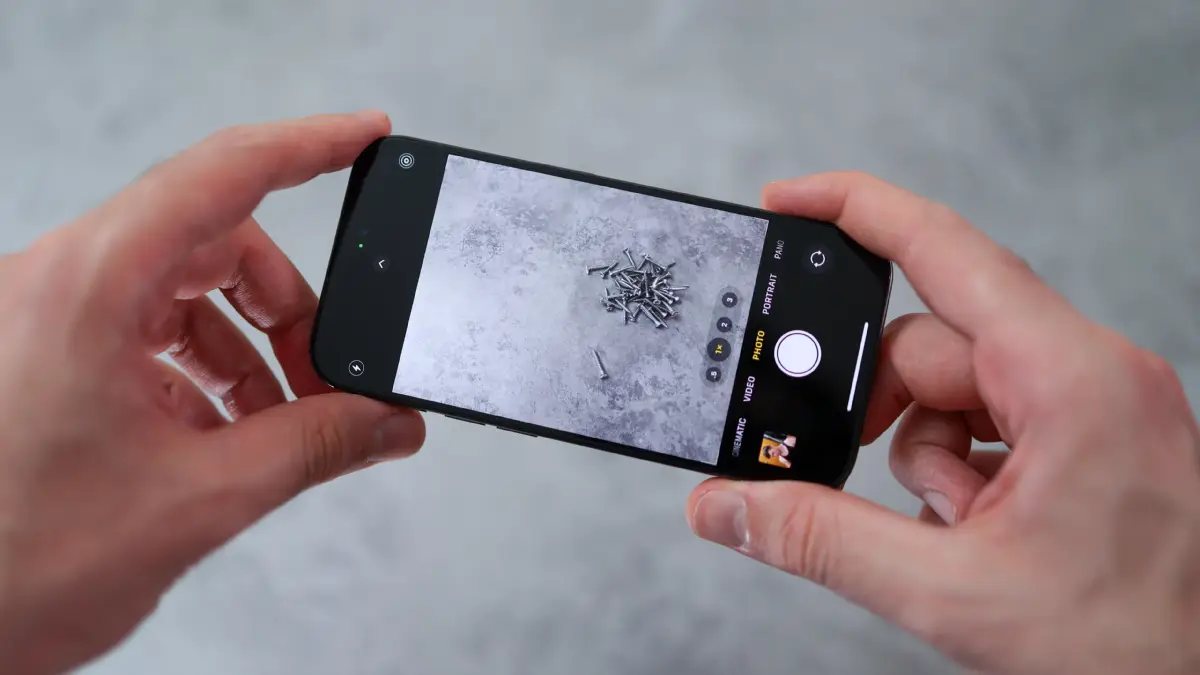
Customization per lens type also helps. Ultra-wide lenses now correct fisheye distortion in real-time, while telephotos incorporate stabilization tech borrowed from pro cameras. This modular approach lets manufacturers iterate quickly, releasing better optics annually.
Hardware alone doesn't explain why phone cameras improve so fast—AI does the heavy lifting. Machine learning algorithms analyze scenes in milliseconds, adjusting exposure, white balance, and focus smarter than ever.
Google's Night Sight uses AI to stack multiple exposures, pulling bright details from dark shots. Apple's Deep Fusion blends short and long exposures pixel-by-pixel for texture-rich images. These aren't gimmicks; they deliver professional-level results by simulating what skilled photographers do manually.
Portrait mode has benefited hugely. AI detects edges for precise subject separation, creating natural bokeh that mimics $1,000 lenses. Features like scene recognition auto-apply optimizations—say, enhancing food colors or sky blues—making pro photos accessible to anyone.
| Year | Key Sensor Innovation | Typical Resolution | Notable Phone Example |
|---|---|---|---|
| 2015 | Standard CMOS | 12-16MP | iPhone 6s |
| 2018 | Pixel binning intro | 12-48MP (binned) | Google Pixel 3 |
| 2020 | Stacked sensors | 64-108MP | Samsung Galaxy S20 |
| 2023 | 1-inch+ sensors | 200MP+ | Google Pixel 8 Pro |
This table highlights how sensor tech has scaled, directly correlating with better image quality across lighting conditions.
Why the yearly gains? Fierce competition and massive R&D budgets. Apple invests billions in custom silicon like the A-series chips with dedicated image signal processors (ISPs). Samsung's ISOCELL sensors power half the market, iterating via partnerships with Sony.
Supply chain tweaks help too. Custom glass from Zeiss or Leica ensures premium optics. Software updates extend hardware life—your two-year-old phone gets AI boosts via apps, keeping it competitive.
"I used to lug a full camera kit for events, but now my iPhone handles 80% of my work. The AI portraits are so good, clients can't tell the difference—until I mention it's from my pocket. Just watch out for over-processing in extreme low light; it can soften details if you're not careful."— Professional photographer Alex Rivera, sharing on his transition to smartphone cameras.
These changes mean phone cameras now handle scenarios once exclusive to DSLRs. Astrophotography? Pixels capture star trails with long exposures. Video? 8K at 60fps with cinematic stabilization. Even RAW support lets you edit like pros in Lightroom.
But it's the integration that shines. Lenses, sensors, and AI work in tandem via neural engines, predicting your shot before you press the button. This holistic approach ensures consistent excellence.
To make the most of these advancements, follow this practical checklist:
These steps bridge the gap between hardware prowess and your creative output.
No tech is perfect. Phone cameras still struggle with lens flare in backlit scenes or extreme telephoto shakes. Battery drain from AI processing is real, and not every mid-range phone matches flagships.
Looking ahead, under-display cameras and light-folding tech promise even slimmer designs without quality loss. AI will get generative, fixing photobombs or enhancing skies ethically. Expect variable aperture for better depth control soon.
So, why are phone cameras getting better every year? It's a perfect storm of larger sensors, sophisticated lenses, and AI-powered software turning smartphones into pocket studios. From humble beginnings to professional-grade prowess, this evolution empowers you to capture life's moments with unprecedented quality. Next time you frame a shot, appreciate the tech making it epic—no darkroom required.
Word count: approximately 1450. Stay tuned as these innovations continue to blur lines between pro and everyday photography.
Published: Monday, January 19, 2026 Viewed 1 times.
tepte.com: Your Questions and Answers Resource with a Wealth of General Knowledge
Are you seeking a one-stop destination for comprehensive knowledge and answers to your burning questions? Look no further than tepte.com! Our platform is your go-to source for a wide range of information, all conveniently presented in an easily accessible question and answer format.
At tepte.com, we pride ourselves on being your reliable knowledge hub. Whether you're curious about technology, science, history, or any other subject under the sun, our extensive General Knowledge (GK) knowledge base has you covered. We've made it our mission to provide you with in-depth insights and facts on an array of topics. Read more
