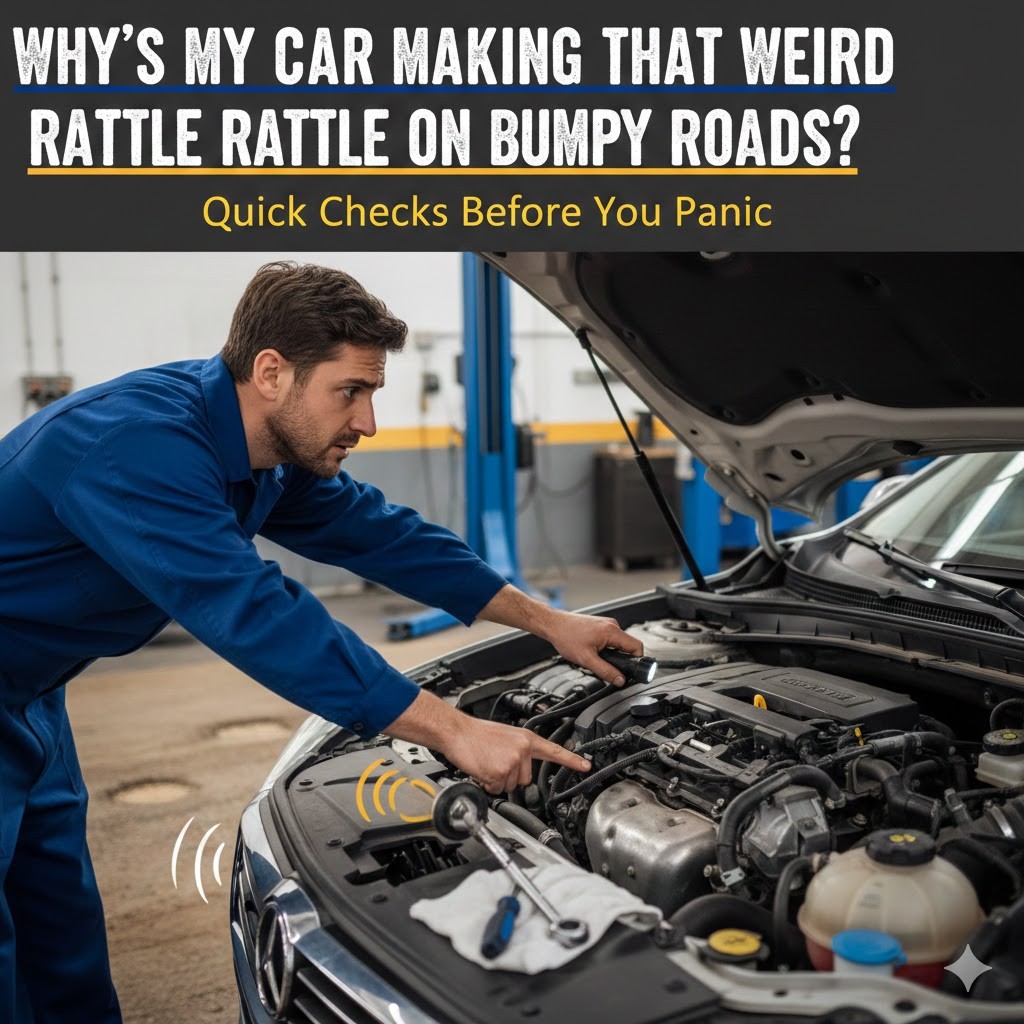
Why's My Car Making That Weird Rattle on Bumpy Roads? Quick Checks Before You Panic
Have you ever been driving along a rough, bumpy road, minding your own business, when suddenly your car starts making this annoying rattling noise that sounds like loose change jingling in a pocket? It's that kind of intermittent clatter or metallic vibration that only kicks in when you hit potholes, speed bumps, or uneven pavement. Before you start imagining catastrophic failures like a collapsing suspension or a failing engine mount, pause and breathe. In the vast majority of cases, these rattles are not emergencies but rather minor issues stemming from everyday wear and tear. This in-depth, expanded guide will explore the potential causes in greater detail, offer step-by-step DIY diagnostics, and provide preventive strategies to keep your vehicle quiet and smooth. Armed with this knowledge, you'll be able to identify the problem early, potentially saving hundreds on unnecessary repairs while ensuring your safety on the road.
Understanding the Rattle: What It Sounds Like, Why It Happens, and How to Differentiate It
The rattling noise on bumpy roads is often described as a loose, shaking sound—think of it like a tin can filled with bolts being jostled around. It's typically intermittent, meaning it doesn't happen constantly but flares up with road vibrations. Unlike a steady engine knock (which might indicate internal issues) or a grinding brake sound (pointing to worn pads), this rattle is directly tied to external forces like bumps, dips, or gravel. The underlying reason? Your car's components are subjected to constant stress from driving, leading to loosened parts, worn-out cushions, or corroded connections that allow unwanted movement.
To better understand, consider your vehicle as a complex mechanical orchestra: The suspension absorbs shocks, the exhaust expels gases, and the body panels shield everything. When one element falters, bumpy roads act as the trigger, amplifying the vibrations into audible noise. Factors like vehicle age, mileage, driving habits (e.g., frequent off-road use), and environmental exposure (such as salt in winter) accelerate this wear. Differentiating the rattle involves noting its location (front, rear, undercarriage), pitch (high-pitched clink vs. low thud), and accompanying symptoms (e.g., steering wobble). Ignoring it could escalate to costly damage or safety risks, so early investigation is crucial.
Common Causes of Rattling on Bumpy Roads: An In-Depth Breakdown
Drawing from automotive diagnostics, mechanic insights, and driver experiences, we've compiled an exhaustive list of the most prevalent culprits. Each cause is explained with real-world examples, symptoms, and why bumpy roads make them worse. This section aims to empower you to pinpoint the issue more accurately.
- Suspension System Wear: Often the primary offender, involving shocks, struts, bushings, and ball joints that degrade over time, leading to uncontrolled movement.
- Exhaust System Issues: Loose heat shields, broken hangers, or corroded pipes that bang against the frame under vibration.
- Loose Trim and Panels: Interior dashboards, door linings, or exterior mud flaps that have come undone, creating plastic-on-metal clatters.
- Transmission or Drivetrain Problems: Worn mounts or insufficient lubrication causing powertrain shifts on rough terrain.
- Brake System Anomalies: Loose calipers, worn pads, or trapped debris that rattles during impacts.
- Wheel and Tire Related Noises: Unbalanced tires, loose lug nuts, or failing bearings amplifying vibrations.
- Other Miscellaneous Causes: Loose cargo, faulty stabilizer links, or even aftermarket accessories gone awry.
Diving Deeper: Detailed Explanations of Each Cause with Examples and Implications
- Suspension System Wear
The suspension is your car's shock-absorbing backbone, with shocks and struts compressing to handle bumps. Over 50,000 miles, internal seals fail, allowing fluid leakage and resulting in noisy bounces. Bushings, those rubber insulators, crack from heat and age, causing metal contact. For instance, in a sedan like a Toyota Camry, this might sound like a front-end clunk on potholes. Bumpy roads worsen it by forcing rapid compressions. Implications? Poor handling and tire wear—fix early to avoid alignment issues.
- Exhaust System Issues
Running hot and exposed, the exhaust includes pipes, mufflers, and heat shields. Rust from road salt weakens hangers, letting parts dangle and clatter against the underbody. Example: In trucks like Ford F-150, a loose catalytic converter shield rattles like tin foil on bumps. Vibrations from uneven roads magnify this. Dangers include exhaust leaks leading to carbon monoxide poisoning—always prioritize repairs.
- Loose Trim and Panels
Cars are full of plastic clips and screws holding door panels, gloveboxes, and underbody guards. Vibrations loosen them over time. For example, in a SUV like a Honda CR-V, a detached interior trim might rattle softly inside, while exterior splash guards flap loudly underneath. Bumps shake them free. This is usually cosmetic but can lead to water ingress if ignored.
- Transmission or Drivetrain Problems
The drivetrain transfers power, with mounts securing it. Wear or low fluid causes shifting and rattling, especially in automatic transmissions. In vehicles like a Volkswagen Jetta, this might feel like a central thud on rough roads. Implications include shifting delays—check fluids regularly to prevent major overhauls.
- Brake System Anomalies
Brakes involve calipers clamping pads on rotors. Loose hardware or debris (like pebbles) can rattle. Example: In a compact car like a Hyundai Elantra, worn pads shift on bumps, producing a metallic jingle. Though less tied to roads, vibrations exacerbate it. Safety risk: Compromised stopping power—inspect immediately.
- Wheel and Tire Related Noises
Tires and wheels endure direct impacts. Unbalanced tires vibrate, loose lugs wobble wheels, and bad bearings hum then rattle. In sports cars like a Mazda MX-5, this might start as high-speed shimmy but turn rattly on bumps. Regular rotations prevent uneven wear and related noises.
- Other Miscellaneous Causes
Overlooked items like a loose spare tire in the trunk, rattling tools, or faulty sway bar links (connecting suspension sides). In family vans like a Chrysler Pacifica, cargo shifts can mimic serious issues. Simple fixes like securing items often resolve these.
Quick Checks: Expanded DIY Troubleshooting Steps with Safety Tips
Empower yourself with these detailed, hands-on checks. Always prioritize safety: Work in a well-lit area, wear gloves, and never crawl under without jack stands. If unsure, consult a professional.
- Visual Inspection Under the Car: Jack up safely, use a flashlight to scan for loose bolts, rust, or dangling parts. Check suspension for leaks and exhaust for cracks.
- Bounce Test: Press each corner firmly—excessive bounces (more than 1-2) signal worn shocks. Repeat for all sides.
- Check Tires and Wheels: Torque lug nuts to spec, inspect for bulges or wear patterns. Spin wheels for bearing noise.
- Interior and Exterior Panels: Tap and shake trims to replicate rattle; retighten or add padding as needed.
- Drive Test: On a safe bumpy route, have a passenger note noise location and conditions (speed, turning).
- Fluid Levels: Under hood, check transmission and brake fluids—low levels cause internal rattles.
- Clear Debris: Remove rocks or mud from brakes and undercarriage with a hose or brush.
Diagnostic Table: Expanded Causes, Symptoms, Quick Fixes, and Cost Estimates
| Cause |
Symptoms |
Quick Check/Fix |
When to See a Mechanic |
Estimated Repair Cost |
| Suspension Wear |
Rattle over bumps, bouncy ride, uneven tire wear |
Bounce test; visually inspect bushings for cracks |
If handling worsens or noise escalates |
$200–$800 (parts and labor) |
| Exhaust Issues |
Metallic clatter from undercarriage, possible fume smell |
Secure loose shields with zip ties temporarily |
Immediately if dragging or leaking |
$100–$500 |
| Loose Trim |
Intermittent interior noise, visible gaps |
Tighten screws; apply foam tape |
If affects structural integrity |
$20–$100 (DIY friendly) |
| Transmission Problems |
Rattle with shifting, hesitation on acceleration |
Top up fluid levels; check for leaks |
Always—complex diagnostics needed |
$300–$2,000+ |
| Brake Anomalies |
Rattle during braking on bumps, pulling sensation |
Clear debris; inspect pads for wear |
If braking efficiency drops |
$150–$400 |
| Wheel/Tire Issues |
Vibration turning to rattle, steering shimmy |
Tighten lugs; balance/rotate tires |
If suspects bearings or alignment |
$50–$300 |
| Miscellaneous |
Random clinks, no clear pattern |
Secure loose items in cabin/trunk |
Rarely, unless persists after checks |
$0–$50 |
When to Panic (or Rather, Seek Professional Help): Warning Signs and Next Steps
While many rattles are manageable, escalate to a certified mechanic if you notice:
- Handling Compromises: The car pulls or sways uncontrollably.
- Escalating Noise: Gets louder or appears on smooth roads.
- Odors or Leaks: Exhaust fumes inside or fluid drips underneath.
- Instability: Feels unsafe at speeds or during turns.
- Visible Damage: Broken parts or severe rust during DIY checks.
Mechanics use diagnostic tools like lifts and scanners for thorough exams. Budget for inspection fees ($50–$150) and repairs based on findings.
Prevention Tips: Comprehensive Strategies to Keep Rattles at Bay Long-Term
Prevention beats cure—adopt these habits to minimize future issues:
- Regular Inspections: Monthly visual checks under the car for loose components.
- Scheduled Maintenance: Adhere to manufacturer intervals for suspension, exhaust, and fluid changes.
- Quality Roads and Driving: Avoid aggressive pothole hits; opt for smoother routes when possible.
- Proper Loading and Balance: Don't overload; ensure even weight distribution to reduce stress.
- Seasonal Preparations: In winter, wash undercarriage to remove salt; in summer, check for heat damage.
- Quality Parts: Use OEM or reputable aftermarket replacements for longevity.
- Professional Alignments: Annual wheel alignments prevent uneven wear leading to rattles.
Conclusion: Mastering the Mystery of Your Car's Rattle for Smoother Journeys
That persistent rattle on bumpy roads is your car's way of signaling for attention—don't ignore it, but don't panic either. By delving into common causes like suspension wear or exhaust looseness, conducting thorough DIY checks, and following prevention tips, you can restore peace and quiet to your drives. Remember, early intervention saves money and ensures safety. If the issue persists, a professional diagnosis is your next best step. Here's to silent, smooth rides ahead—drive safe!
Frequently Asked Questions: Car Rattling on Bumpy Roads
Here are 30 commonly asked questions about that annoying car rattle on bumpy roads, with detailed, practical answers to help you diagnose and fix the issue. We've bolded key terms for quick reference.
- Why does my car only rattle on bumpy roads and not on smooth ones?
Bumpy roads create vibrations and shocks that cause loose or worn parts to move and clash. On smooth surfaces, there's not enough force to trigger the noise, so the problem stays hidden until you hit uneven terrain.
- Is a rattling noise on bumps dangerous?
It depends on the cause. Minor issues like loose trim are harmless, but problems like exhaust leaks or worn suspension can lead to safety risks or expensive damage if ignored. Always investigate promptly.
- What does a suspension rattle sound like?
Typically a clunking or knocking sound from the front or rear, especially when going over potholes. It often feels like something is loose in the wheel area.
- Can loose heat shields cause rattling on bumpy roads?
Yes! Heat shields on the exhaust system commonly loosen due to rust or broken clamps, creating a tinny, metallic rattle underneath the car.
- How do I know if my shocks or struts are causing the rattle?
Perform the bounce test: Push down hard on each corner—if it bounces more than 1-2 times, your shocks/struts are likely worn and allowing excess movement.
- Could the rattle be coming from inside the car, not under it?
Absolutely. Loose interior panels, dashboard trim, glovebox items, or even a rattling sun visor can mimic mechanical noises on bumps.
- Why does the rattle seem louder on the passenger side?
The noise source might be on that side—common culprits include passenger-side suspension components, exhaust routing, or loose body panels affected more by weight distribution.
- Can bad tires cause a rattling noise?
Not directly, but unbalanced tires or loose lug nuts create vibrations that can amplify existing rattles or make wheel bearings noisy.
- Is it normal for older cars to rattle more on rough roads?
Yes, age and mileage lead to worn bushings, corroded parts, and general looseness. Regular maintenance can minimize it.
- What if the rattle disappears when I brake?
This points to loose brake components like calipers or pads that shift forward under braking, temporarily stopping the rattle.
- Can a loose battery cause rattling?
Yes, if the battery hold-down clamp is loose, the battery can shift and rattle, especially on bumps.
- Why does my rattle sound like loose change?
Often from small debris in brakes, loose exhaust clamps, or sway bar links clinking together.
- Does cold weather make car rattles worse?
Yes—cold temperatures make rubber bushings stiffer and metal parts contract, increasing play and noise until the car warms up.
- Can aftermarket exhausts cause more rattling?
Sometimes, if not installed properly—poorly fitted hangers or missing insulators allow more vibration.
- How can I temporarily fix a heat shield rattle?
Use large hose clamps or heavy-duty zip ties to secure it—it's a quick fix until proper repair.
- Is the rattle related to my transmission?
Possible if accompanied by shifting issues. Worn transmission mounts allow the entire powertrain to shift on bumps.
- Why does the noise stop when I turn left or right?
Weight transfer during turns can temporarily load or unload suspension parts, silencing a worn component on one side.
- Can a loose spare tire cause this?
Definitely—check the trunk or under-car spare for proper securing.
- What if I hear rattling only at low speeds on bumps?
Likely suspension-related, as higher speeds compress components differently and mask the noise.
- Could mud or ice buildup cause rattling?
Yes, especially in winter—ice chunks or mud flaps packed with debris can hit the body or tires.
- Is it expensive to fix suspension rattles?
Costs vary: Bushings might be $200–$400, while full shocks/struts can run $500–$1,200 depending on the vehicle.
- Can I drive with a rattle until my next service?
If it's minor and no handling issues, yes—but monitor closely. Avoid if you suspect exhaust or brake problems.
- Why do some rattles only happen when the car is loaded with passengers?
Extra weight compresses the suspension more, bringing worn parts into contact.
- Does alignment affect rattling noises?
Indirectly—poor alignment accelerates tire and suspension wear, leading to rattles over time.
- Can a loose catalytic converter cause rattling?
Yes, if the internal substrate breaks, it creates a distinctive rattle inside the converter, worsened by bumps.
- How do mechanics diagnose rattling noises?
They use a lift inspection, road test, and sometimes chassis ears (microphones) to pinpoint the source.
- Is rattling covered under warranty?
Often yes for powertrain or suspension components if under mileage/time limits—check your warranty details.
- Can I use foam or tape to quiet interior rattles?
Yes! Felt tape or foam padding between panels is a popular DIY fix for plastic rattles.
- Why does the rattle come and go?
Temperature, humidity, load, or road conditions affect how tightly parts fit—intermittent rattles are frustrating but common.
- Should I worry if the rattle started after hitting a big pothole?
Yes—sudden onset after impact suggests bent components, dislodged parts, or damaged mounts. Get it checked soon.
These FAQs cover the most common concerns about car rattles on bumpy roads. If your specific situation isn't listed, start with basic visual checks and safe driving tests before visiting a mechanic. Drive safe!
Published: Saturday, December 13, 2025
Viewed

9 times.


