
Tepte.com


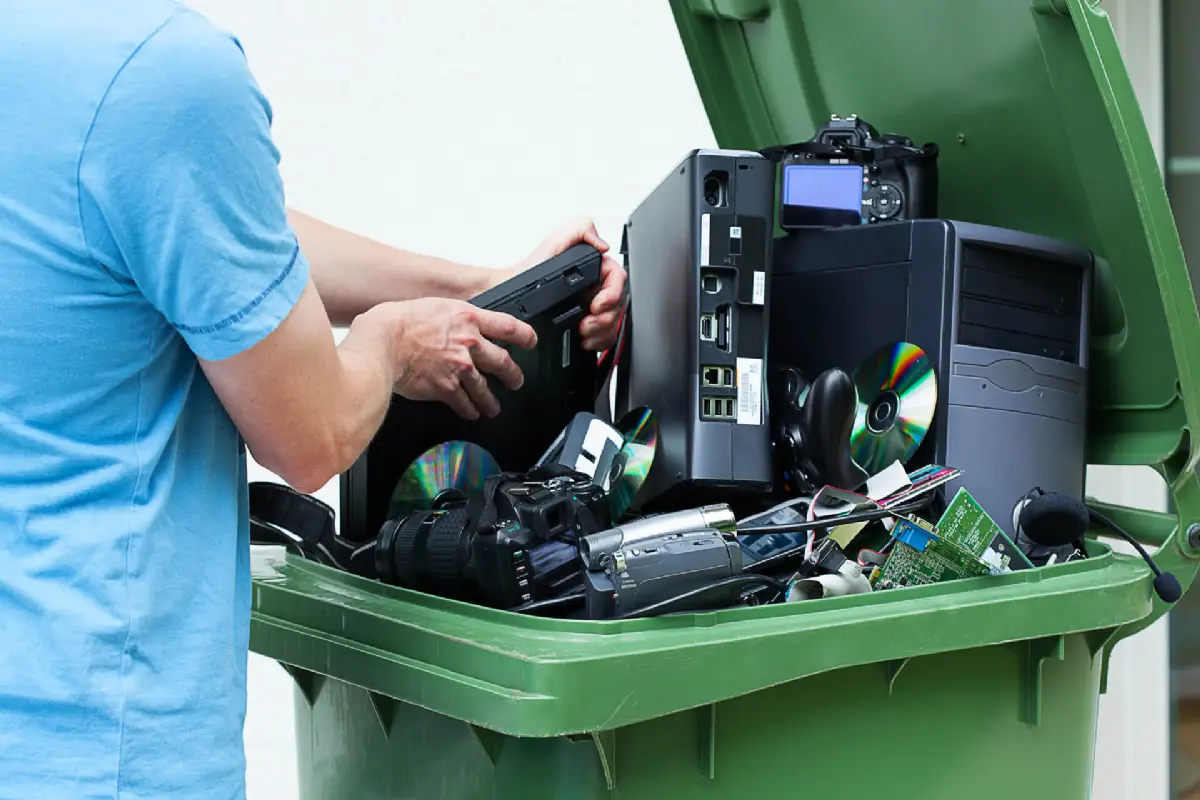
Upgrading to the latest smartphone or laptop feels great, but what do you do with the old ones? Tossing them in the trash isn't just lazy—it's harmful. Electronics recycling turns your outdated gadgets into resources while keeping toxic materials out of landfills. Every year, millions of tons of e-waste pile up globally, releasing heavy metals like lead and mercury into soil and water. By choosing responsible disposal, you cut down on this pollution and support a circular economy where materials get reused.
This guide walks you through how to dispose of old gadgets responsibly. We'll cover data wiping, drop-off spots, and what happens during material recovery. Whether it's a cracked phone screen or a sluggish laptop, you'll learn eco-friendly steps to recycle them properly and stay compliant with laws.
E-waste isn't like regular trash. Devices contain valuable metals—gold, silver, copper—mixed with hazards like brominated flame retardants. When landfilled, these leach out, contaminating groundwater. Burning them releases dioxins into the air. Recycling recovers up to 95% of materials from some devices, reducing the need for mining, which devastates habitats.
In the U.S., only about 20% of e-waste gets recycled properly, per EPA data. The rest? It often ends up overseas in unsafe conditions. Your small action—recycling one laptop—saves energy equivalent to powering a home for months and prevents 50 pounds of pollution.
Recycling these prevents health risks like neurological damage from prolonged exposure.
Before handing over any gadget, protect your privacy and make it recycler-ready. Start with data wiping, the most critical step.
Factory resets aren't foolproof—pros use NIST-compliant methods to overwrite data multiple times. Skipping this risks identity theft; recovered phones have sold personal info on black markets.
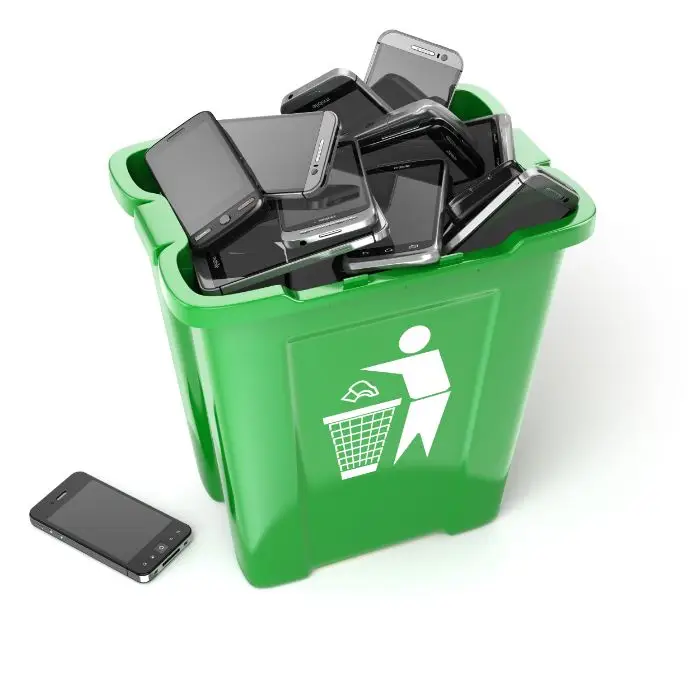
Locate certified recyclers via Earth911.com or Call2Recycle.org. Retailers like Best Buy and Staples offer free drop-offs nationwide. Manufacturer take-back programs—Apple's for iPhones, Dell's for laptops—ensure responsible handling.
Check for R2 or e-Stewards certifications; these guarantee ethical practices, no exporting to risky countries. Local municipal events pop up quarterly—search "e-waste recycling near me" for schedules.
| Retailer/Service | Accepted Items | Cost | Locations |
|---|---|---|---|
| Best Buy | Phones, laptops, TVs up to 32", cables | Free for most | 1,000+ U.S. stores |
| Staples | Laptops, desktops, ink cartridges | Free with rewards | National chain |
| Apple Trade-In | iPhones, Macs, iPads | Credit or free recycle | Stores or mail-in |
| Gazelle | Phones, tablets (sell first) | Pays you | Mail-in |
| Call2Recycle | Batteries, small electronics | Free | 30,000+ drop points |
This table highlights reliable options. Always verify current policies, as they evolve.
"I once recycled an old work laptop without wiping it first. Months later, a news story revealed my company's data on a shady overseas market. Lesson learned: data security comes before drop-off, every time." — Tech worker from California.
Curious about material recovery? Here's the journey post-drop-off. Certified facilities sort by type using magnets, eddy currents, and X-rays.
First, manual dismantling separates batteries, screens, and boards. Shredders pulverize the rest into fist-sized chunks. Air classifiers blow out plastics; water tables float lighter materials.
Metals get smelted: Copper wires yield pure ingots; gold from circuit pins via chemical leaching. Plastics granulate for new casings. Glass from screens crushes into aggregate. Batteries dismantle for cobalt and lithium, vital for new EV packs.
One ton of circuit boards recovers 800 times more gold than ore mining. This closes the loop, cutting CO2 emissions by 80% versus virgin production.
U.S. states like California and New York mandate e-waste bans from landfills. The Resource Conservation and Recovery Act (RCRA) oversees hazardous waste. Businesses face fines up to $50,000 for non-compliance.
For households, it's voluntary but smart. Extended Producer Responsibility (EPR) laws in places like Maine require manufacturers to fund recycling. Always get a certificate of destruction from pros for proof.
Internationally, Basel Convention curbs toxic exports. Choose recyclers upholding these to avoid "digital dumping" in developing nations.
Don't just recycle—profit. Platforms like Gazelle or Swappa buy working devices. Trade-ins from carriers give store credit. Even broken items have scrap value: $1-5 per pound for boards.
Donate functional gear to schools via Computers with Causes or refurbishers like PCs for People. This extends device life, amplifying impact.
These ensure transparency and ethics.
Build routines: Sell or donate annually. Buy refurbished from trusted sellers—saves 50% cost, same warranty. Opt for modular phones like Fairphone for easy repairs.
Track your e-waste footprint with apps like Joule. Support policies via petitions for nationwide EPR. Small shifts compound: If every American recycled one device yearly, it'd recover billions in metals.
Myth: "It's all shipped to China." Fact: Certified U.S. firms process domestically. Myth: "Recycling costs too much." Fact: Free options abound, and it saves mining billions. Myth: "Landfills are fine." Fact: E-waste triples every few years, overwhelming space.
Embracing eco-friendly electronics disposal empowers you. Next time you upgrade, pause for these steps. You'll safeguard data, reclaim resources, and lighten Earth's load—one gadget at a time.
Published: Thursday, January 22, 2026 Viewed 5 times.
tepte.com: Your Questions and Answers Resource with a Wealth of General Knowledge
Are you seeking a one-stop destination for comprehensive knowledge and answers to your burning questions? Look no further than tepte.com! Our platform is your go-to source for a wide range of information, all conveniently presented in an easily accessible question and answer format.
At tepte.com, we pride ourselves on being your reliable knowledge hub. Whether you're curious about technology, science, history, or any other subject under the sun, our extensive General Knowledge (GK) knowledge base has you covered. We've made it our mission to provide you with in-depth insights and facts on an array of topics. Read more
